
What Do You Need for a Commercial Insurance Quote?
Most commercial insurance quote requests begin with five areas: business operations, current insurance, prior claims, business assets and employees, and contract requirements. Not every insurer will request every document at the first stage, but incomplete information can lead to revisions later.
- Business identity, locations, and operations
- Current policies, limits, deductibles, and renewal dates
- Prior claims information and loss runs when available
- Property, equipment, vehicles, employees, and payroll
- Client contracts, leases, lender requirements, and certificate requests
Start by collecting the records already available, then identify what has changed since the last policy period. This keeps the quote discussion focused on the business as it operates now rather than on an outdated application.
Commercial Insurance Quote Checklist: Start With Your Business Basics
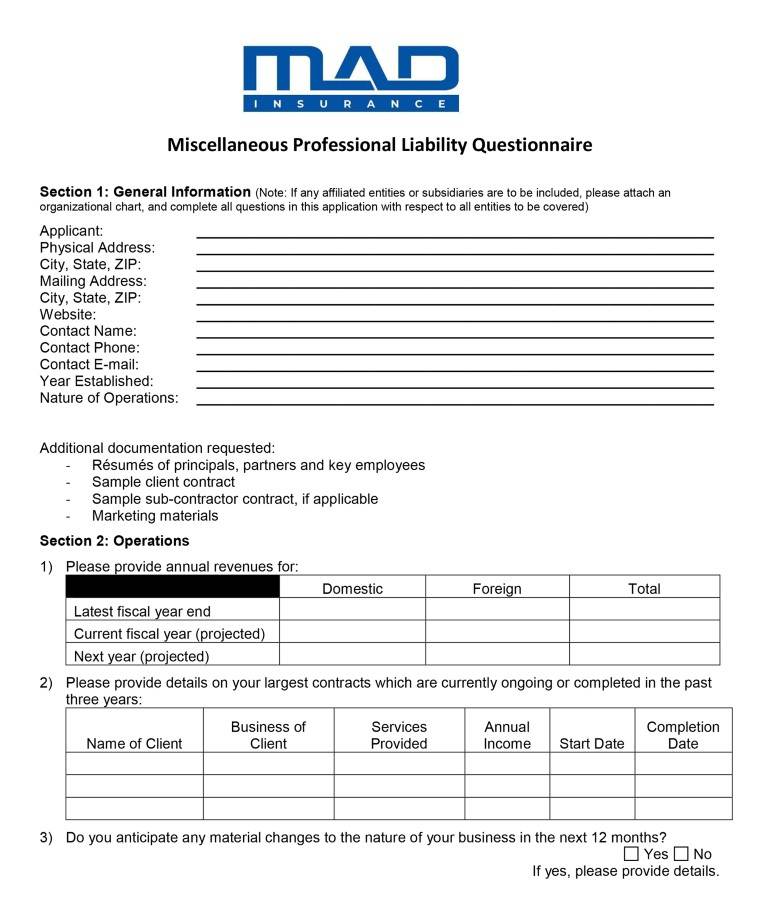
Insurers need a clear picture of the business before evaluating coverage options. A broad industry label does not tell the full story. A contractor that works only at residential properties presents different considerations from one that performs commercial work, uses subcontractors, or transports equipment between jobsites.
During quote reviews, it can become apparent that a current policy still describes the original business even though the business has added services, staff, vehicles, or locations. That gap can affect the quote because it may not account for the work, property, or contractual obligations now involved.
Business Name, Legal Structure, and Contact Information
Prepare the legal business name, any DBA, entity type, business address, and primary contact information. Depending on the application and coverage type, insurers may also request ownership details, years in business, or tax identification information.
Use the legal name shown on contracts, leases, and existing insurance documents. Naming differences can delay a certificate request when a client, landlord, or lender needs evidence of insurance issued to a specific entity.
Business Locations and Where Work Is Performed
List the locations your business owns, leases, shares, or uses regularly. Include offices, storefronts, warehouses, jobsites, home-based operations, and client locations when they are part of normal work.
Where work takes place affects the insurance conversation. A business serving customers only from a storefront has different considerations than one whose employees enter client premises, travel throughout Florida, or work in other states.
Services, Products, Revenue, and Recent Business Changes
Prepare a straightforward description of the services you provide, products you sell, customer types you serve, and estimated annual revenue when requested. Identify changes such as new services, product lines, locations, equipment, territories, or substantial growth.
Businesses sometimes update revenue at renewal without updating their description of operations. That can leave the quote review based on incomplete information. If the business now performs new work, handles different products, or operates from another location, include those changes in the quote request.
Gather Current Policies, Renewal Details, and Claims Information
Current insurance documents make it easier to compare a new quote with existing coverage. They show what is insured now, what is scheduled on the policy, and what may need attention before a renewal or replacement.
Gather declarations pages, certificates of insurance, endorsements, and renewal notices if available. For businesses with prior claims, insurers may also request loss runs. These records serve different purposes and should not be treated as interchangeable.
Current Declarations Pages and Certificates of Insurance
A declarations page generally summarizes the policy, including the insurer, policy term, coverage limits, deductibles, named insured, and scheduled locations or vehicles. It is one of the most useful records for comparing current coverage with a new quote.
A certificate of insurance serves a different purpose. It provides evidence that insurance was in place at a given time, but it does not amend or expand policy terms. If a client or landlord has specific requirements, review the policy and endorsements instead of relying on the certificate alone.
Loss Runs and Prior Claims Details
Loss runs are claims-history reports that may include claim dates, claim types, paid amounts, reserves, and whether a claim remains open or closed. They help insurers understand prior losses when evaluating a commercial insurance quote.
A prior claim does not necessarily prevent a business from obtaining coverage. Accurate information matters because leaving out a known claim can lead to delays, revised terms, or a quote that needs to be reconsidered once the information is identified.
Prepare Details for the Coverage Types That May Apply
Not every business needs every type of commercial coverage. The information needed depends on the business’s operations, assets, employees, contracts, and the risks involved in its work.
Each coverage type calls for different facts. A vehicle list does not answer property questions, and payroll records do not explain a client contract. Preparing the right details for each coverage discussion supports a more complete quote review.
General Liability: Operations, Contracts, and Requested Limits
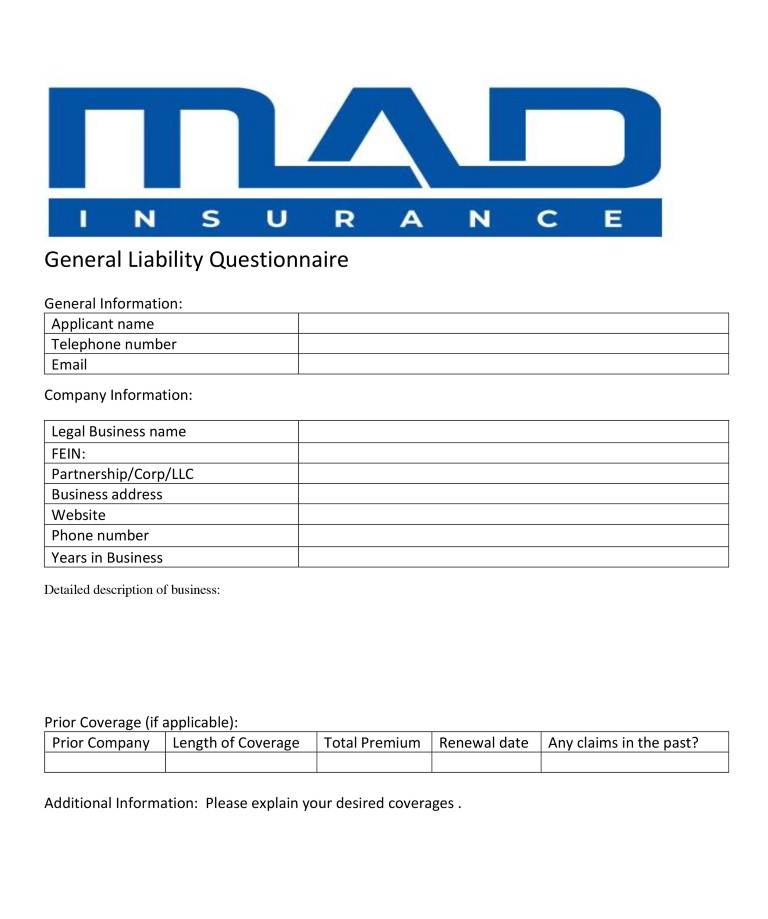
For general liability insurance, prepare details about services performed, products sold, customer-facing activities, and work completed away from your primary location. Client and project contracts are particularly important when they require certain liability limits or additional insured status.
Businesses sometimes receive a request for a specific limit or endorsement after coverage has already been selected. Reviewing the contract before finalizing a quote helps identify those requirements earlier. Insurance documentation can be part of the coverage discussion, while legal interpretation of contract terms is a separate matter.
Commercial Property: Building Details, Contents, Equipment, and Values
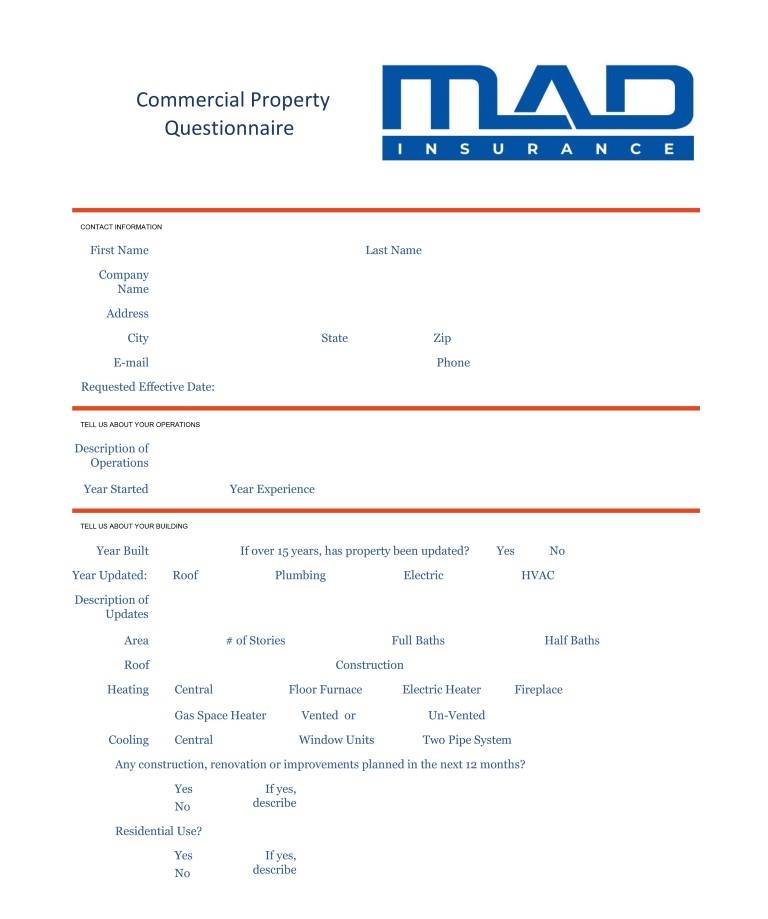
For commercial property insurance, gather building information such as ownership status, construction, square footage, age, and major updates. Also list business personal property, including inventory, machinery, electronics, furniture, tools, and specialized equipment.
Property values should reflect current replacement needs, not only original purchase prices or accounting book values. Equipment can be added, inventory can increase, and improvements can be made without policy schedules being updated. When property information falls behind, begin the quote review with an accurate inventory of what the business needs to keep operating.
Commercial Auto: Vehicle Schedules, Drivers, and Business Use
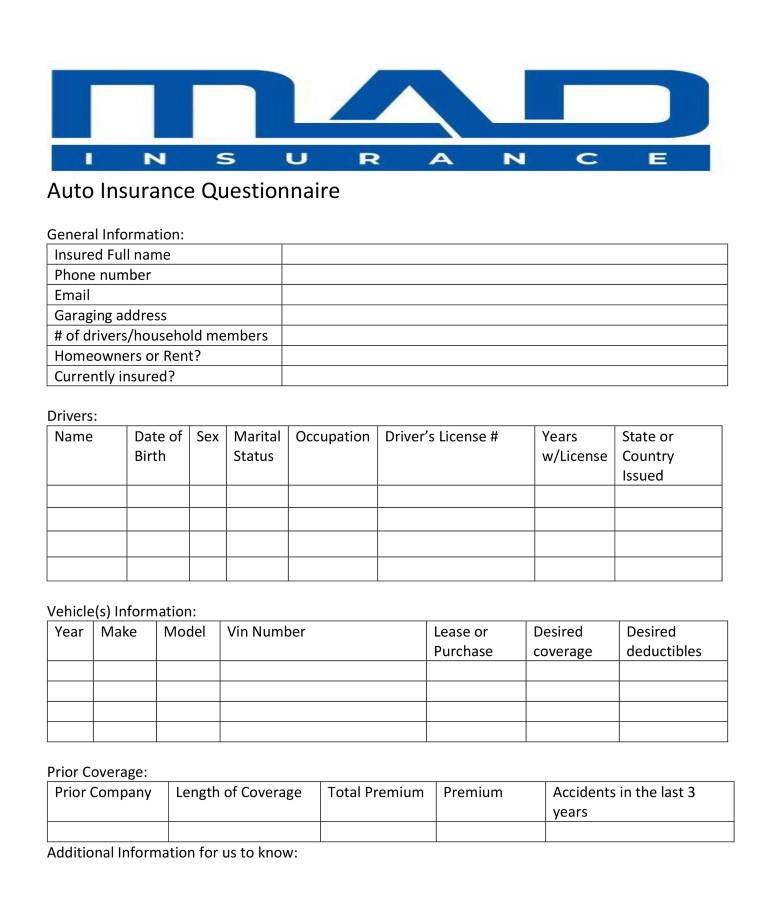
For commercial auto insurance, prepare each vehicle’s year, make, model, VIN, ownership status, garaging location, and primary business use. Insurers may also request driver names, license information, job roles, and expected driving radius.
A vehicle schedule does not always describe the full exposure. The quote discussion should also cover who drives, where vehicles are kept, whether employees use personal vehicles for business tasks, and whether rented or borrowed vehicles are part of operations.
Workers’ Compensation: Employee Roles, Payroll, and Subcontractors
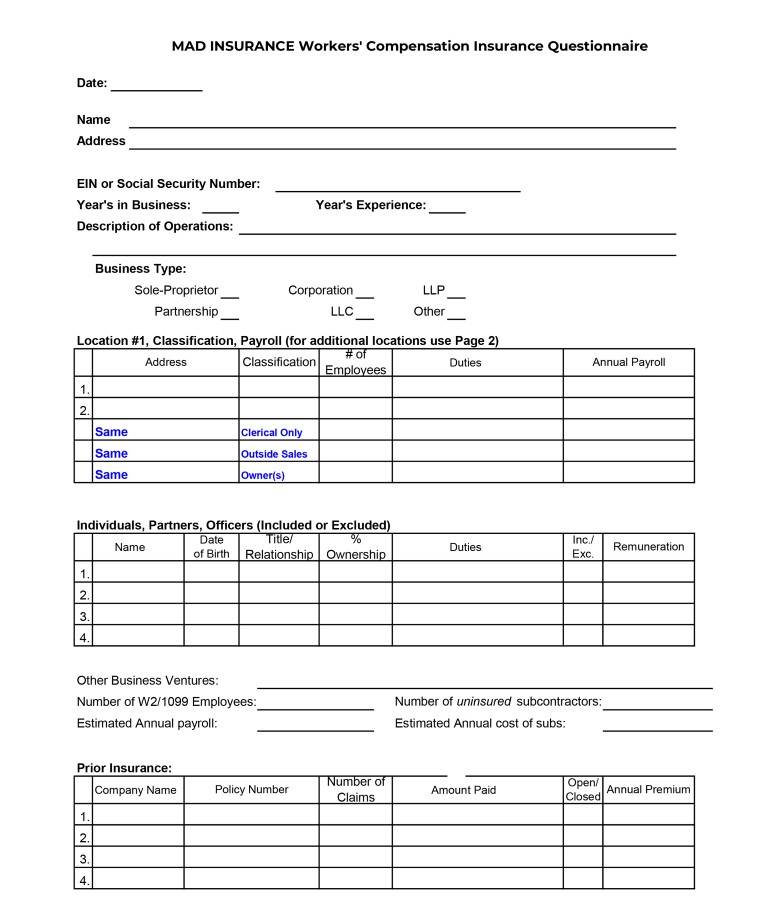
Workers’ compensation quote preparation usually includes employee count, job duties, estimated payroll, work locations, and anticipated hiring changes. If the business uses subcontractors, temporary labor, or leased employees, include those arrangements in the discussion.
Job duties matter because employees with different responsibilities may not fit the same payroll classification. A business with office staff and field crews, for example, should not treat all payroll as though the work is identical. Florida workers’ compensation requirements can vary by industry, business structure, and other circumstances, so clear operational details are important from the start.
Cyber Insurance: Data, Payments, Vendors, and Security Practices
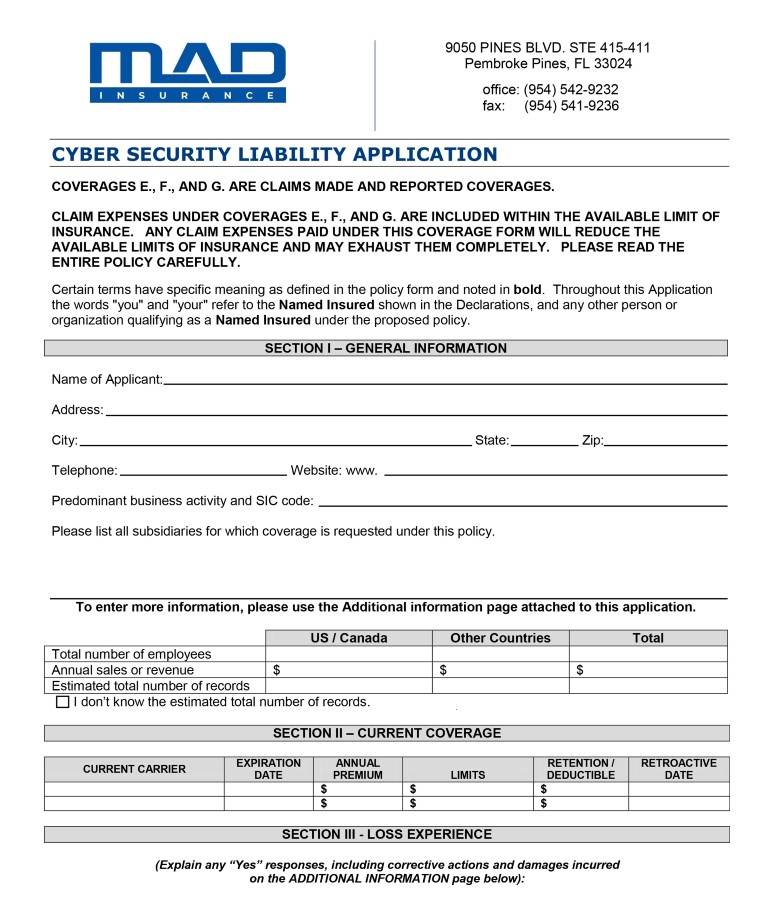
Cyber insurance questions typically focus on how the business stores and uses information. Prepare to describe online payment systems, customer records, employee information, business email, cloud platforms, remote access, software vendors, and basic security practices.
Cyber risk is not limited to large companies. A small business that accepts online payments, uses email for invoices, stores customer information, or depends on cloud-based software has data and systems that can affect operations. The key question is what information the business holds, who can access it, and how operations could be affected if systems become unavailable.
Review Contracts, Leases, and Other Insurance Requirements Before Requesting a Quote
Review contracts, leases, financing agreements, and vendor requirements before selecting or renewing coverage. A lower-priced quote may not meet the insurance requirements in a signed agreement.
- Client-required liability limits
- Additional insured requests
- Waiver or primary and noncontributory wording
- Certificate deadlines and project-specific requirements
- Landlord requirements for leased commercial space
- Lender requirements for financed vehicles, equipment, or property
If your business has a new contract, lease, financed asset, or client requesting a certificate, review the insurance requirements before selecting coverage.
Watch for these signs that an insurance review may be useful now:
- A client has sent insurance wording that does not match your current certificate.
- A landlord requires limits or property documentation your existing policy does not clearly show.
- You have added vehicles, equipment, employees, or a new service since the last renewal.
- Your current declarations page lists outdated locations, operations, or business property.
These situations can create delays when handled after an agreement is signed or a certificate deadline arrives. Gather the relevant documents and include them in the commercial insurance quote discussion.
Client Contracts and Project Requirements
Client contracts may require specific liability limits, additional insured status, waivers, certificate wording, or project-specific insurance terms. Provide the relevant contract section early so the insurance requirements are visible before quotes are compared.
Timing matters. If requirements are identified after coverage is bound, the business may need to revisit endorsements, limits, or documentation on a short timeline. Bringing the contract into the discussion early gives the quote process a clear target.
Commercial Leases, Lenders, and Licensing Requirements
Commercial leases can include landlord requirements for liability or property-related coverage. Lenders may also require evidence of insurance for financed buildings, equipment, or vehicles. Some licensing, vendor enrollment, or procurement processes require specific proof of coverage.
Requirements differ across landlords, lenders, clients, and licensing bodies. Identify the actual wording and documentation deadline, then compare those requirements with the policy terms being considered.
Florida-Specific Details That May Matter in a Commercial Insurance Conversation
Florida commercial property discussions may require close attention to location, building construction, occupancy, roof age or updates, and the property’s exposure to wind or flooding. These details can affect the questions insurers ask and the options available.
Flood, wind, and business interruption coverage should not be assumed simply because a policy is labeled commercial property insurance. Coverage depends on the policy, endorsements, location details, and insurer requirements. Businesses with physical locations should raise these issues when reviewing commercial property coverage.
Seasonal changes also deserve attention. A business that carries more inventory, hires temporary staff, extends operating hours, or increases event activity during part of the year should include those changes in its insurance review. If operations change while policy information stays the same, the insurance program may no longer reflect the business it is intended to support.
How to Compare Commercial Insurance Quotes Beyond Price
Compare commercial insurance quotes based on coverage fit as well as price. Premium matters, but it does not show what is included, what is excluded, what the business must pay before coverage applies, or whether the policy aligns with client and property requirements.
Mad Insurance can help businesses review options from multiple carriers using current business details. That supports a more useful comparison than choosing a policy based only on the premium shown.
Compare Limits, Deductibles, and Coverage Triggers
Review policy limits, deductibles, and the situations in which coverage may apply. Consider limits alongside contracts, property values, vehicle exposure, payroll, and business operations. A higher limit is not automatically the better choice, and a lower deductible is not always the practical choice.
The comparison changes when the business has a specific obligation. A contractor working under a client agreement, a retailer with substantial inventory, and a company operating a vehicle fleet each have different details that shape the decision. A useful quote should accurately reflect those details.
Review Exclusions, Endorsements, and Contract Requirements
Exclusions and endorsements are where similarly priced quotes can differ substantially. An endorsement changes standard policy language, while an exclusion identifies what the policy does not cover. Both deserve review when the business performs specialized work, owns valuable equipment, transports goods, or has contractual insurance obligations.
Do not assume two quotes are equivalent because they share a policy label. Differences can become important when a certificate is requested, a contract is reviewed, or a claim occurs. Compare policy terms with the business activities and requirements identified during the quote process.
When Should a Business Request a New or Updated Commercial Insurance Quote?
A business may need a new or updated commercial insurance quote when it is starting operations, approaching renewal, or experiencing a material operational change. Waiting until the next policy anniversary after a major change can mean the policy information no longer matches the business.
- Opening, moving, buying, or leasing a business location
- Purchasing vehicles, equipment, inventory, or commercial property
- Hiring employees, changing payroll, or using subcontractors
- Adding services, products, territories, or customer types
- Signing a new client contract, lease, or lender agreement
- Experiencing a claim or identifying outdated policy information
If any of these changes apply, use current documentation rather than last year’s information. Updating the insurance discussion when the change occurs is generally more practical than correcting details after a contract deadline, loss, or renewal notice creates pressure.
Key Takeaways
- A commercial insurance quote starts with an accurate, current picture of the business.
- Current policies, claims information, payroll, property records, vehicle details, and contracts can affect the quote discussion.
- Each coverage type requires different information, and final carrier requirements vary by policy and business operations.
- Premium is one part of a quote. Limits, deductibles, exclusions, endorsements, and contract requirements matter too.
Conclusion: Prepare for a More Productive Insurance Quote Conversation
The challenge is not simply missing paperwork. Insurance applications, policy records, and contract requirements can fall behind as the business changes. When that happens, quotes may need revision, certificates can be delayed, and coverage decisions may need to be made with less time for review.
Mad Insurance is a practical next step for Florida business owners who need to organize a commercial insurance quote around current operations, property, vehicles, employees, and contractual obligations. Gather the checklist items that apply to your business, then request a commercial insurance quote to review options across multiple carriers.
Frequently Asked Questions
What documents do I need for a commercial insurance quote?
Most commercial insurance quote requests begin with business details, a description of operations, and records related to the coverage being reviewed. Useful documents can include current declarations pages, loss runs, payroll information, vehicle schedules, property details, and contracts or leases with insurance requirements.
The documents needed change by policy type. A commercial auto quote focuses on vehicles, drivers, garaging, and business use, while a property quote may require building details, equipment values, and inventory information. Current policy records are valuable because they show the limits, deductibles, and endorsements already in place.
Can I get a commercial insurance quote without current insurance?
Yes. A new business or a business without current insurance can begin a quote discussion by providing a clear description of its operations, expected revenue, locations, property, vehicles, employees, and known contract requirements.
Without a prior policy, the business description becomes especially important. For example, “landscaping” does not explain whether the business works on residential or commercial properties, sends crews to client sites, transports equipment, or has employees driving company vehicles. Those details shape the coverage discussion.
Why do insurers ask for loss runs when quoting business insurance?
Loss runs provide a record of prior insurance claims. They may include claim dates, claim types, paid amounts, reserves, and whether a claim is open or closed.
A loss run differs from a declarations page because it focuses on claims history rather than current coverage. A previous claim does not necessarily prevent coverage, but incomplete claims information can cause the quote to be reviewed again when missing information is identified.
What should I compare when I receive multiple commercial insurance quotes?
Compare limits, deductibles, exclusions, endorsements, the situations in which coverage may apply, and how each quote describes the business’s operations. Premium alone does not show whether the policy fits the business’s property, vehicles, services, or contract requirements.
For example, a business with a client agreement should compare quoted liability limits and documentation requirements with that agreement. A business with company vehicles should confirm that the quote reflects the correct vehicles, drivers, garaging locations, and business use.
Do I need to provide my client contract when requesting business insurance?
Providing a relevant client contract is useful when it includes insurance requirements. Contracts may specify liability limits, additional insured requests, waiver wording, certificate deadlines, or project-specific conditions that affect the quote discussion.
The important distinction is that the contract should be reviewed before coverage is selected, not after a certificate is due. The insurance discussion can address requested documentation, while questions about the legal meaning of contract language are a separate legal matter.
When should I update my commercial insurance quote?
Update a commercial insurance quote when the business changes materially or approaches renewal. Common triggers include a new location, vehicle, employee, payroll change, subcontractor arrangement, service line, equipment purchase, lease, or client contract.
A policy that fit the business a year ago may not reflect current operations. Adding a delivery vehicle, beginning work at client locations, or expanding into a new service line changes the facts behind the quote and should be addressed before those changes create a certificate, contract, or claim issue.
Recent Comments