Protect the home you built your life around.
Florida homes face wind, water, liability, theft, and rapidly changing underwriting rules. MAD Insurance helps you compare available carriers, understand the differences, and prepare the property for a cleaner quote.
A Florida policy has to solve more than one risk.
Hurricane exposure gets the headlines, but everyday water losses, liability claims, roof condition, electrical systems, and rebuilding costs also shape coverage and pricing.
Atlantic hurricane season begins each year and runs through November 30. Review coverage before a storm is named.
Core policy functions: protect the structure, belongings, liability exposure, and additional living expenses after a covered loss.
Flood protection is generally not included in a standard homeowners policy and needs its own coverage review.
The building blocks of a stronger home policy.
Coverage forms vary. We review the policy details that determine what is protected, how a loss is valued, and what you may owe out of pocket.
Dwelling
Helps repair or rebuild the home after a covered loss. The limit should reflect rebuilding cost—not market value or the mortgage balance.
Other Structures
Can cover detached structures such as fences, sheds, gazebos, and detached garages, subject to policy terms.
Personal Property
Protects belongings, with important limits for jewelry, collectibles, firearms, business property, and other special categories.
Loss of Use
Can help with increased living expenses if a covered loss makes the home uninhabitable.
Personal Liability
Helps protect your household when covered injuries or property damage lead to a claim or lawsuit.
Water & Wind Details
Limits, exclusions, deductibles, roof terms, and endorsements can dramatically change how a Florida policy responds.
The home itself helps determine the insurance options.
Good documentation can improve accuracy, prevent delays, and help us identify credits or carriers that fit the property.
Documents that may help
- Current wind-mitigation inspection
- Four-point inspection when requested
- Roof permit, invoice, or replacement documentation
- Electrical, plumbing, and HVAC updates
- Photos showing condition and completed repairs
- Prior-policy declarations and loss history
Florida homeowner tip
Do not wait until renewal or closing week to investigate the roof, wiring, plumbing, or inspection reports. An expired or inaccurate document can limit options and cause rushed decisions.
Tell us if the property will be vacant, rented, renovated, held in a trust or LLC, used seasonally, or operated as a short-term rental.
Six details that deserve a real conversation.
Replacement cost
Rebuilding cost is different from purchase price, tax value, or loan amount and should reflect current construction characteristics.
Hurricane deductible
Understand whether it is a percentage, what amount that represents in dollars, and when it applies.
Roof settlement
Ask whether roof losses may be paid at replacement cost or depreciated value and what conditions apply.
Water coverage
Compare sublimits, exclusions, deductibles, and options for water backup, hidden leaks, and service lines when available.
Personal property valuation
Replacement-cost protection and actual-cash-value protection can produce very different claim outcomes.
Flood and excess liability
Review separate flood insurance and consider whether an umbrella policy should sit above home and auto liability limits.
Clear answers for Florida homeowners and buyers.
Policy language controls coverage. These general explanations help you know what to discuss with your agent.
Does homeowners insurance cover every type of hurricane damage?
No. Wind damage may be covered subject to policy terms and deductibles, while storm surge and rising-water flooding generally require separate flood insurance.
Why does the carrier care about my roof?
The roof is a major part of a home’s wind and water-loss exposure. Age, material, condition, permits, geometry, deck attachment, and secondary water resistance can affect eligibility and pricing.
What is a four-point inspection?
It is a focused report on the roof, electrical, plumbing, and HVAC systems. A carrier may request one based on the age or characteristics of the home.
What is wind mitigation?
A wind-mitigation inspection documents construction features that may reduce wind damage and may qualify the home for policy credits when accepted by the carrier.
Should my dwelling limit equal what I paid for the house?
Not necessarily. The dwelling limit is intended to reflect the estimated cost to rebuild the insured structure, not land value, market demand, or the mortgage balance.
Get a Florida home quote with the details handled correctly.
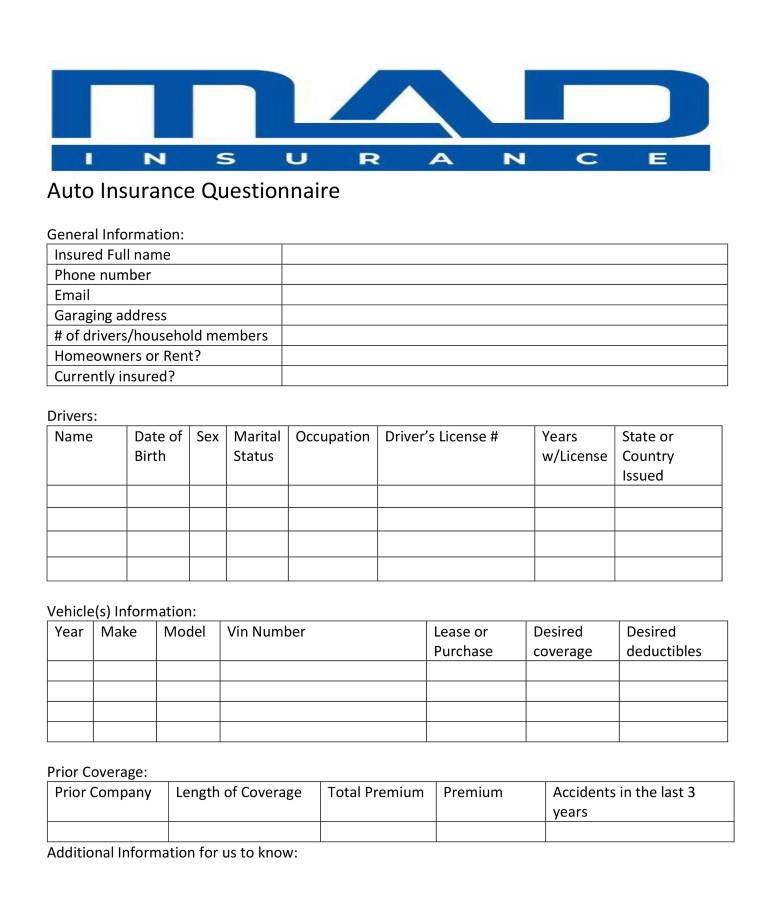
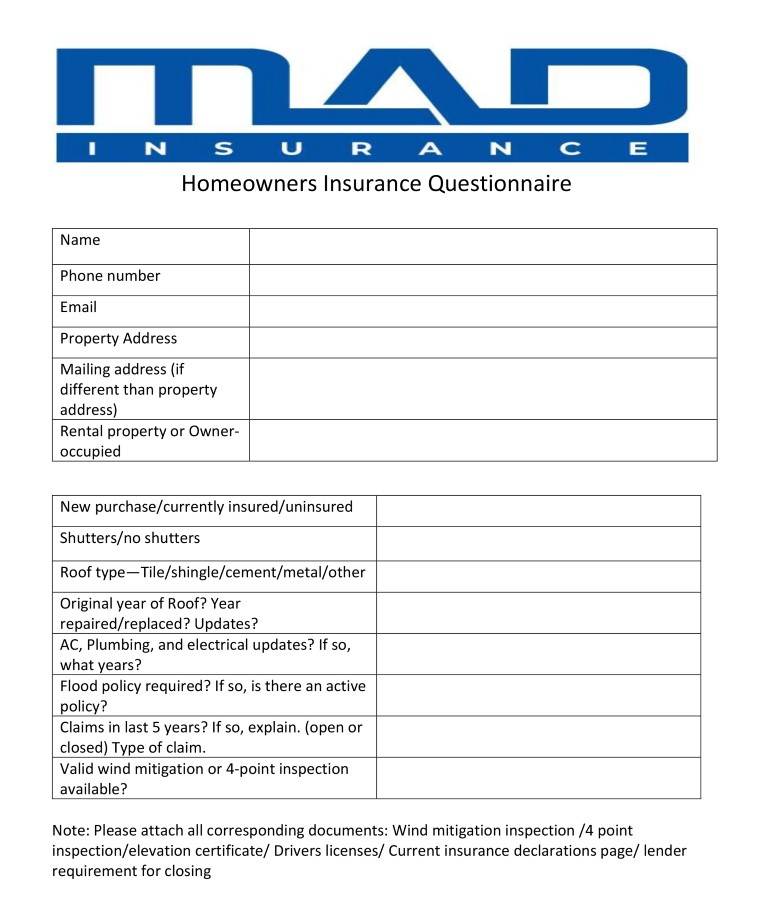
Complete the property questionnaire once. MAD Insurance will review the risk, shop available options, and explain the tradeoffs.