

Quick Answer: An independent insurance agency gathers details about your insurance needs, identifies suitable carrier options, and compares the coverage behind each quote, not just the premium. Mad Insurance shops multiple carriers for individuals and businesses, helping clients review differences in limits, deductibles, exclusions, and insurer requirements before selecting a policy.
Insurance quotes can be easy to compare incorrectly. A lower price can look like the obvious choice until a higher deductible, lower limit, excluded exposure, or carrier condition changes what the policy provides. Problems can arise when someone chooses based on premium before understanding the coverage attached to it.
What Is an Independent Insurance Agency?
An independent insurance agency may represent more than one insurance carrier. Rather than offering policies from only one insurer, the agency helps clients evaluate options available through its carrier relationships.
- Carrier access varies by agency, insurance product, location, and insurer appointment arrangements.
- Not every carrier is a fit for every coverage need or applicant.
- An independent agency does not represent every insurance company in the market.
Multiple carrier options are most useful when they are matched to the circumstances being insured. A homeowner, driver, contractor, retailer, or professional business can face different underwriting questions and coverage requirements. The goal is not simply to gather the most quotes. It is to identify options that are worth comparing.
Readers can learn more about Mad Insurance and its independent-agency approach.
How Does an Independent Insurance Agency Work?
An independent agency typically follows five steps: understand the coverage need, identify suitable carriers, request quotes, compare policy terms, and help maintain the selected policy. Each step affects the quality of the comparison because insurers generally base eligibility and pricing on the details provided.
Step 1: Understanding the Coverage Need
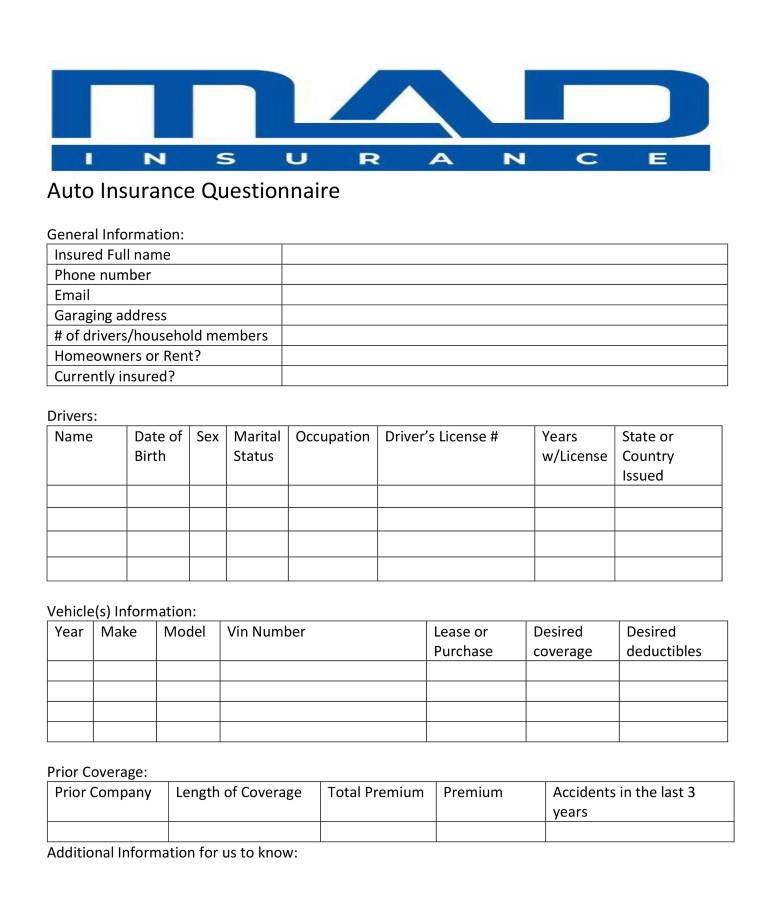
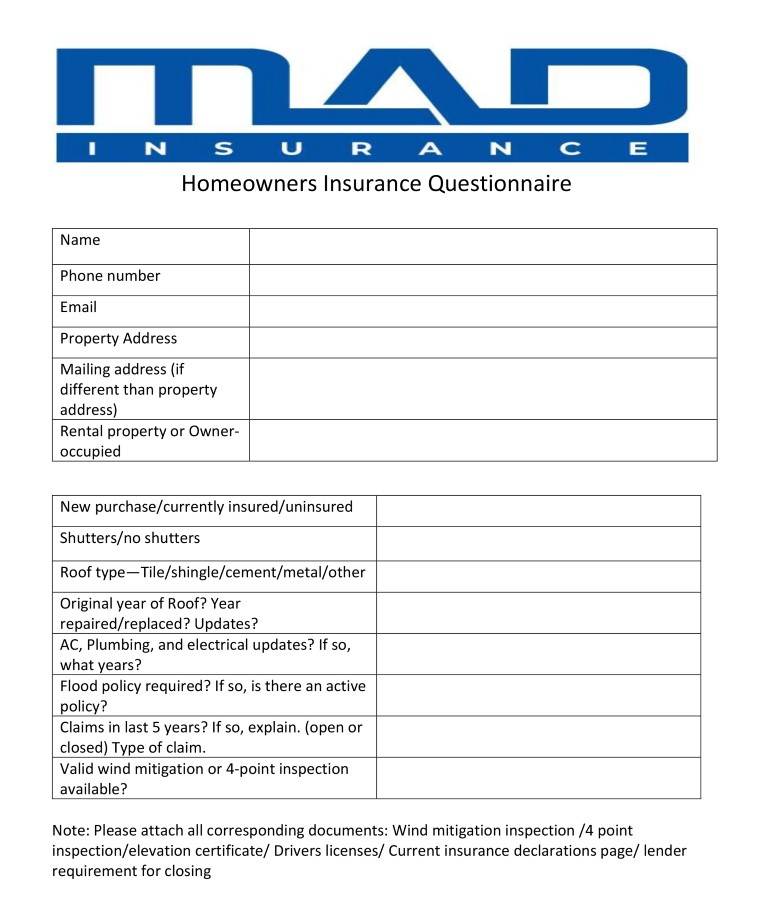
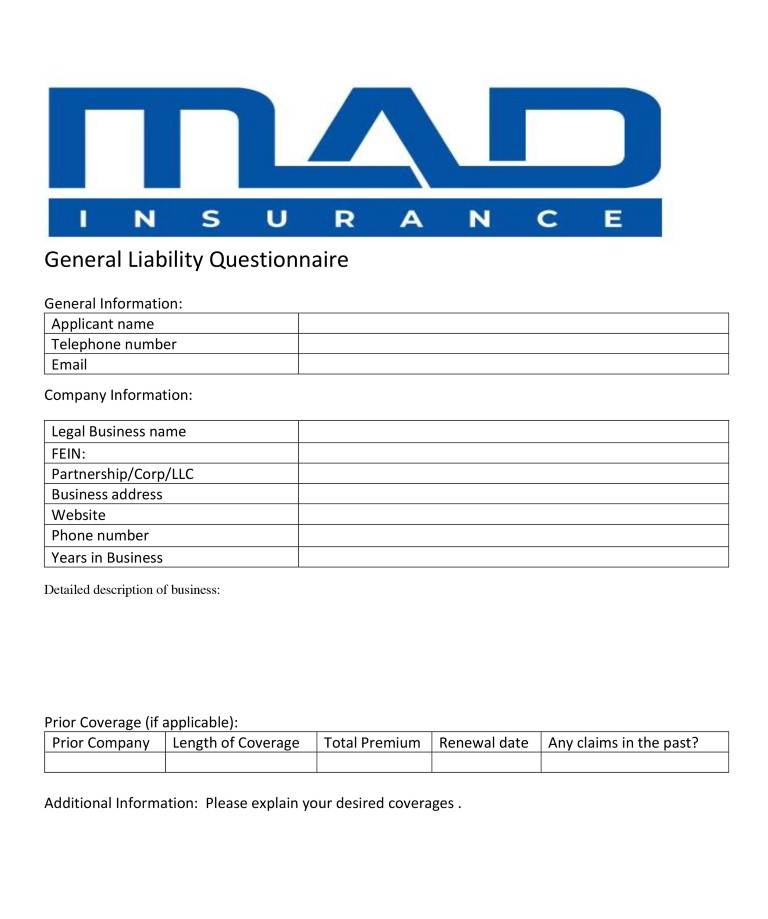
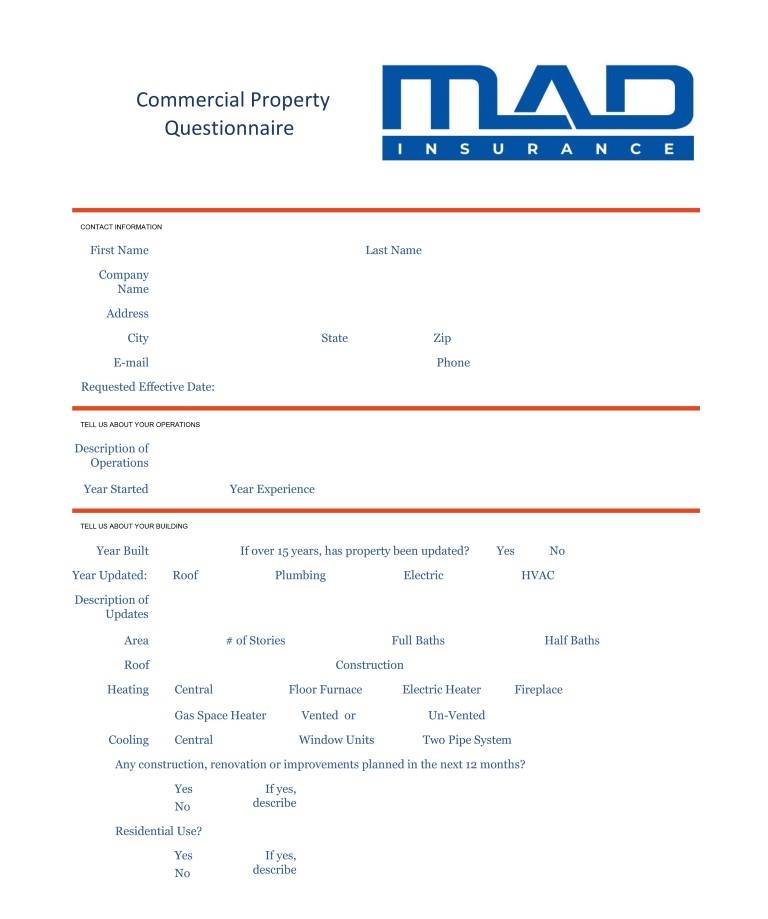
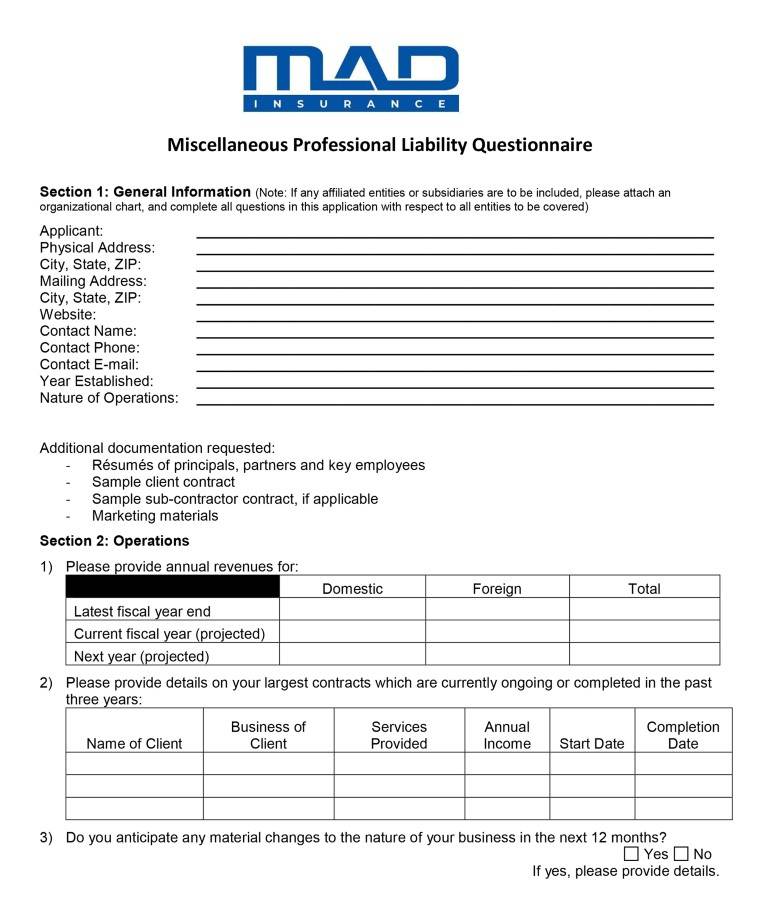
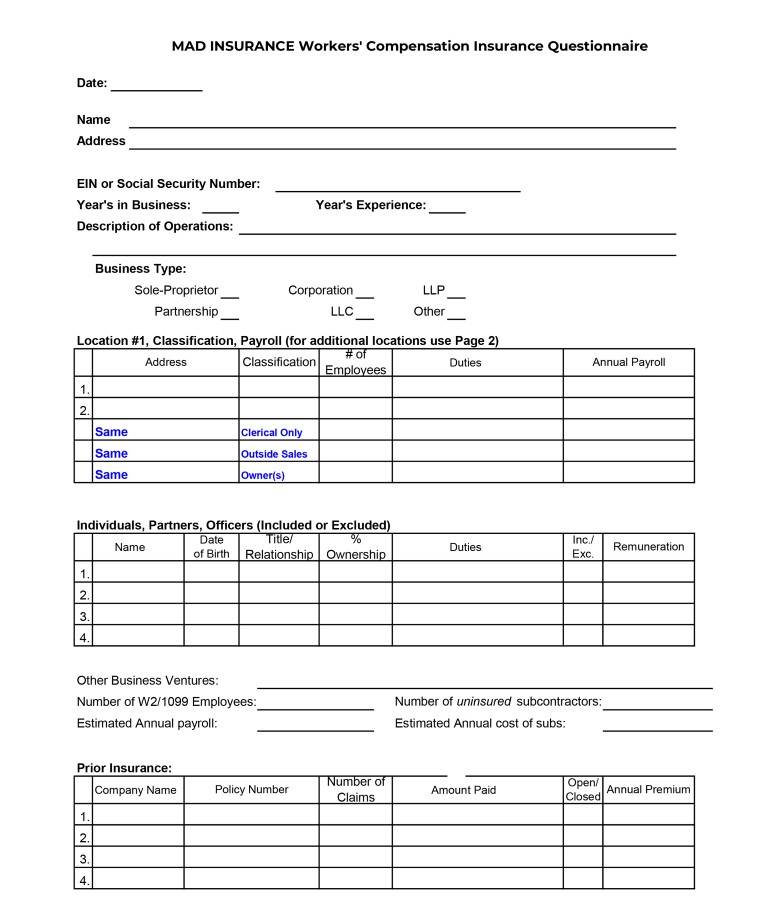
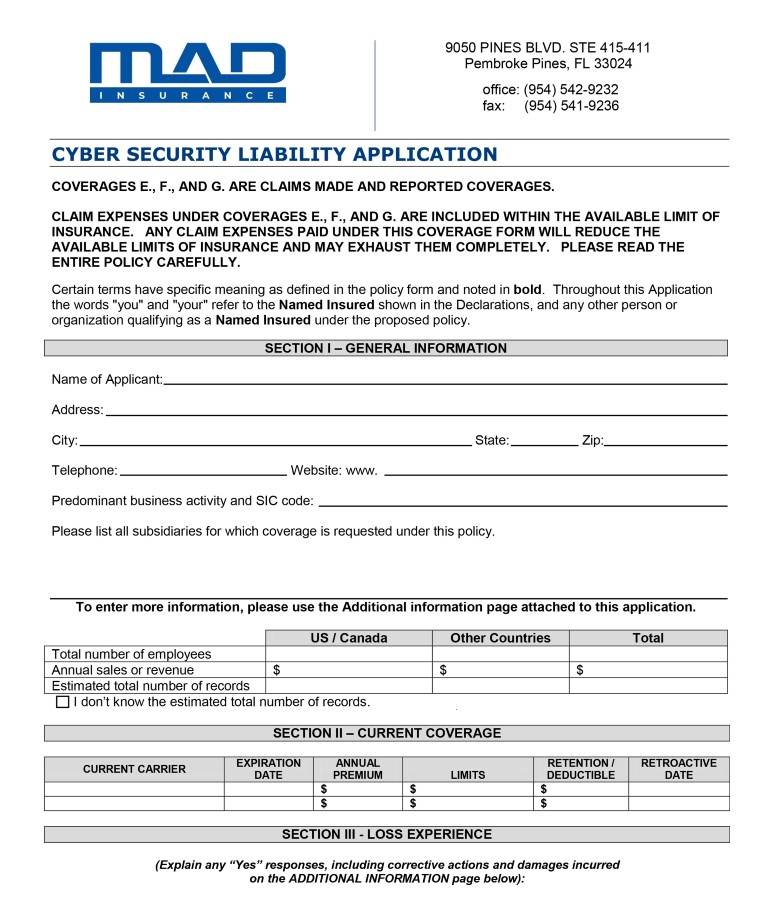
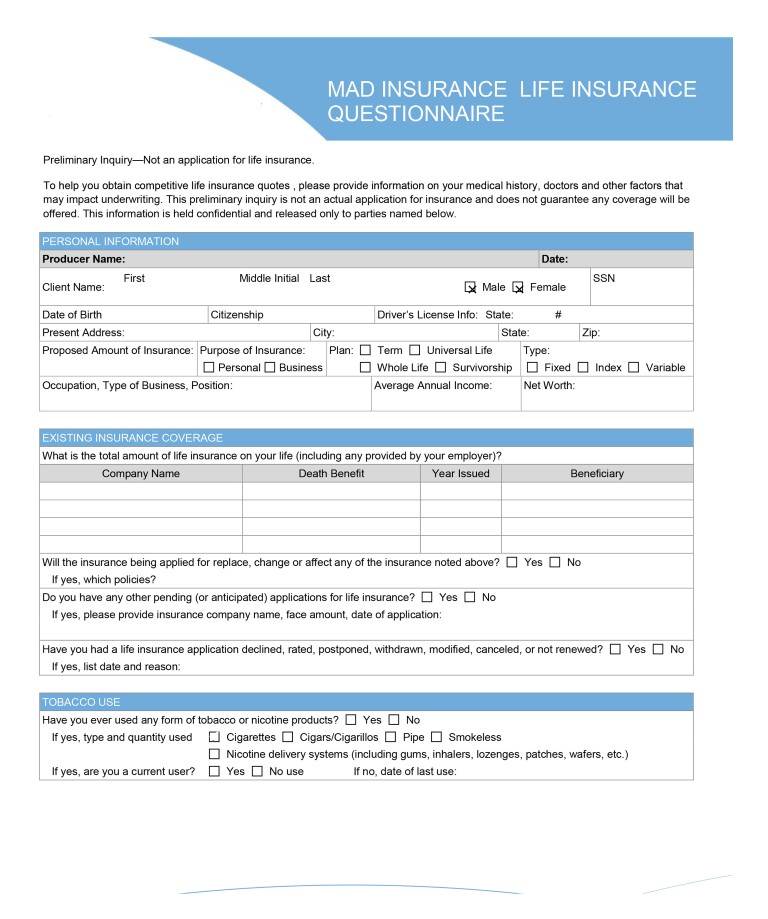
The process begins with gathering accurate information. For personal insurance, that can include existing coverage, property or vehicle details, drivers, prior claims when applicable, desired limits, and deductible preferences. For a business, it can include operations, payroll or revenue information, employees, equipment, vehicles, contracts, prior losses, and insurance requirements.
It is easy to start with a premium goal while overlooking whether the current policy still fits the situation. A new driver, renovated home, added vehicle, new contract, expanded operation, or additional location can change the coverage discussion. When the information is incomplete, the quote comparison is incomplete too.
For household, vehicle, or property coverage, Mad Insurance offers personal insurance options that can be reviewed against current circumstances.
Step 2: Identifying Suitable Insurance Carrier Options
An independent agency does not simply send every application to every carrier. Carriers use underwriting guidelines, sometimes called appetite, to determine the types of properties, drivers, businesses, coverage limits, and risk characteristics they are prepared to consider.
A carrier that fits one situation may not fit another. A property feature, loss history, business activity, policy type, or coverage requirement can affect which carrier options are relevant. The carrier and its underwriting team generally make the final eligibility decision.
Mad Insurance can review the insurance carriers it works with when identifying available options for a particular coverage need.
Step 3: Requesting Quotes and Answering Underwriting Questions
After identifying potential carriers, the agency submits the information needed for a quote. Insurers commonly request follow-up details, especially when an application includes prior losses, unusual property features, business operations, vehicles, drivers, contracts, or higher requested limits.
These questions are a normal part of underwriting. They help the insurer decide whether to offer coverage and under what terms. When an important detail is missing early, the original quote can change after the insurer receives complete information.
A quote is not the same as an issued policy. Final underwriting review, required documents, payment, and carrier binding requirements can still apply before coverage takes effect.
Step 4: Comparing Coverage, Not Just the Premium
Two quotes with different prices are not automatically comparable. The premium is one part of the decision, but it does not show the full structure of the policy.
When comparing insurance quotes, review:
- Policy limits: The maximum amount available under applicable coverage terms.
- Deductibles: The amount the insured generally pays before certain coverage applies.
- Endorsements: Policy changes that add, restrict, or revise coverage.
- Exclusions: Circumstances, property, losses, or activities the policy does not cover.
- Conditions: Duties and requirements that apply under the policy.
- Payment options: Billing structure and payment requirements.
- Insurer-specific requirements: Items required to issue or maintain the policy.
Price-only shopping is where coverage gaps can begin. A lower premium can reflect a higher deductible, different limit, narrower endorsement, or exclusion that matters to the person or business being insured. A higher premium is not automatically better either. The practical choice is generally the option that fits the circumstances and requirements after the terms are reviewed side by side.
Step 5: Selecting, Binding, and Maintaining the Policy
Once a policy is selected, the insurer may require final forms, supporting documents, signatures or confirmations, and payment before coverage is bound. The issued policy, including its terms, conditions, limits, deductibles, and exclusions, controls what coverage applies.
The agency relationship can continue after the policy is issued. Clients may need policy updates, renewal reviews, proof of insurance, certificates of insurance, or help communicating with the carrier during a claim. An agency does not decide claim outcomes, but it can help keep policy information organized when a question or change arises.
Independent Agent vs. Captive Agent vs. Buying Insurance Direct
Independent agencies, captive agents, and direct insurance companies use different distribution models. The practical difference is how many carrier options are available through that channel and how the insurance is purchased.
Independent Insurance Agency
- May represent multiple insurance carriers.
- Can help compare options available through its carrier relationships.
- May assist with policy service and renewal reviews, depending on the agency and policy.
This model can be useful when a client wants help comparing available options without approaching each insurer separately. It does not mean every carrier will quote or that every available policy will have identical coverage.
Captive Insurance Agent
- Generally represents one insurer or a limited insurer group.
- Provides information and policies available through that insurer’s products.
A captive agent can be a useful source of information for that insurer’s policies. The comparison is generally limited to that insurer or insurer group rather than multiple unrelated carrier options.
Direct Insurance Company
- Allows people and businesses to buy through the insurer’s website, call center, or internal sales channel.
- Provides access to that insurer’s available products rather than a multi-carrier comparison.
Buying direct can be straightforward when a buyer already knows the policy structure they want. The buyer is still evaluating one insurer’s products at a time, which can make cross-carrier comparisons harder without additional research.
What an Independent Insurance Agent Can and Cannot Do
An independent agent can make the insurance process more organized, but the carrier retains authority over underwriting, policy issuance, and claims decisions. Understanding that division helps set realistic expectations for the agency relationship.
An Independent Agent Can Help With
- Gathering information about the coverage need.
- Identifying and comparing available carrier options.
- Explaining differences in limits, deductibles, policy terms, and coverage features.
- Supporting policy updates, renewal reviews, proof-of-insurance requests, and claims communication.
Waiting until a contract deadline, renewal notice, property change, or business expansion forces an urgent decision can leave less time to answer underwriting questions and compare policy terms carefully. Starting with accurate information gives the agency a clearer basis for reviewing available options.
An Independent Agent Cannot Guarantee
- Approval by an insurer.
- A specific premium or the lowest available price.
- Coverage for every risk or access to every insurance carrier.
- A particular claim decision, payment amount, or claims outcome.
These limits matter because carrier underwriting rules and the issued policy govern the final result. When a policy is selected without reviewing those terms, differences may become more noticeable after a loss, during a contract request, or at renewal.
If your current insurance situation includes any of the following, it may be time for a coverage comparison:
- Your renewal premium changed and the reason is unclear.
- Your home, vehicles, drivers, business operations, equipment, or locations changed.
- A client, lender, landlord, or contract now requires specific insurance documentation.
- You have several quotes but cannot tell whether the limits, deductibles, and exclusions match.
These changes can mean the existing policy information or comparison process no longer reflects your current circumstances. A focused review can help clarify the available options.
How Are Independent Insurance Agencies Paid?
Independent insurance agencies are often compensated through commissions paid by insurance carriers when a policy is sold or renewed. Some agencies may also charge disclosed fees depending on the service, product type, applicable rules, and agency practices.
Compensation does not eliminate the need for a clear policy comparison. The policyholder should still understand what is being quoted, what is excluded, and how the deductible and limits work. The more useful question is not only “What is the premium?” but also “What am I getting for this premium, and what changes if I choose the other option?”
Why Multiple-Carrier Comparison Matters for Personal and Commercial Insurance
Multiple-carrier shopping matters because personal and business insurance needs do not stay fixed. A policy that fit when it was purchased can become less aligned as property, drivers, operations, contracts, equipment, or obligations change.
Personal Insurance Considerations
Personal insurance deserves a review when the underlying situation changes. Common examples include moving, updating a home, changing vehicles, adding a driver, changing household circumstances, or reassessing deductible preferences.
If a premium changes without a clear review of current limits and policy terms, the decision may be based on only part of the information. Review the existing policy against current circumstances, then compare available alternatives using similar coverage terms.
Commercial Insurance Considerations
Commercial insurance can become more complex when a business changes how it operates. New employees, vehicles, equipment, locations, revenue, contracts, or client requirements can alter the information insurers need to evaluate.
A business may have coverage based on earlier operations, then later need a certificate of insurance or specific coverage language for a contract. A certificate reflects existing coverage; it does not create coverage that is missing from the policy. Contract insurance requirements can be compared with the policy terms and discussed with the appropriate parties when questions arise.
For businesses preparing to compare coverage, this commercial insurance quote checklist for Florida business owners helps organize information that carriers commonly need during the quoting process.
Questions to Ask Before Choosing an Independent Insurance Agency
Choosing an agency involves more than asking how many quotes it can provide. A strong comparison process is transparent about carrier options, the information needed, and the policy differences that affect the decision.
- Which types of carriers do you work with for this insurance need?
- What information do you need to compare quotes accurately?
- What differences should be reviewed beyond the premium?
- Which policy exclusions, deductibles, limits, or endorsements should be understood before purchase?
- How do you help when coverage needs change during the policy period?
- What support is available at renewal or when a claim occurs?
- How is the agency compensated, and could fees apply?
The answers can show whether the agency is focused on meaningful policy comparison or only on producing a fast price. If an agency cannot explain what differs between quotes, the buyer may be making a coverage decision without information that could matter later.
How Mad Insurance Helps Compare Insurance Options
Mad Insurance shops multiple carriers for individuals and businesses, then helps clients review available options in the context of coverage, cost considerations, underwriting requirements, and business insurance requirements. The process starts with what has changed, what needs protection, and which policy differences require attention before a decision is made.
This approach is especially useful when quotes look similar but are structured differently. A careful comparison identifies the terms that can affect the coverage being considered, including limits, deductibles, endorsements, exclusions, and carrier conditions.
Key Takeaways
- An independent insurance agency may help clients compare coverage from multiple insurance carriers.
- Carrier availability, pricing, and eligibility depend on underwriting requirements and the details of the risk.
- Useful insurance comparisons look beyond premiums to policy limits, deductibles, exclusions, endorsements, and conditions.
- An agency may also help with policy changes, renewal reviews, certificates of insurance, and claims communication after purchase.
Conclusion
The challenge with insurance shopping is not a lack of quotes. It is choosing a policy before understanding the coverage behind the quote. When that happens, important differences can surface at renewal, after a business change, during a contract request, or when a loss draws attention to an exclusion, deductible, or limit that was not compared.
Mad Insurance is a practical next step for individuals and businesses that need a clearer comparison across multiple carrier options. Review your current policy, identify what has changed, and request a quote from Mad Insurance with the information needed to compare coverage on more than price alone.
Frequently Asked Questions
Does an independent insurance agency work for the customer or the insurance company?
An independent insurance agency helps clients evaluate policies available through its carrier relationships, while insurance companies retain authority over underwriting, policy issuance, and claim decisions. The agency can help compare available policy terms, but the carrier decides whether it will offer coverage and how a claim is handled under the issued policy.
The agency’s authority and role can vary by carrier arrangement, product, and state requirements. In practice, the agency helps organize and explain available options, while carrier rules, policy language, and claims procedures generally control the final outcome.
Can an independent insurance agent get quotes from every insurance company?
No. An independent agency can generally quote carriers with which it has appointments or access arrangements, but no agency represents every insurance company in the market. Availability also depends on the policy type, applicant details, location, requested coverage, and underwriting eligibility.
For example, a carrier available for one type of personal coverage may not offer the commercial policy a business needs, or it may not accept a particular risk profile. Multiple carriers means there can be more than one option to review, not that every insurer will quote every situation.
Is an independent insurance agent cheaper than buying insurance directly?
Not necessarily. Pricing depends on the insurer, policy selections, underwriting factors, discounts, limits, deductibles, and the details of the person, property, vehicle, or business being insured. An independent agent can compare options available through its carrier relationships, but no insurance channel guarantees the lowest premium.
The decision changes when coverage is compared alongside price. A lower premium can reflect a different deductible, lower limit, narrower endorsement, or exclusion that matters to the circumstances being insured.
What information does an independent insurance agency need to provide a quote?
The information depends on the coverage type and carrier. Personal insurance quotes can require current policy details, property or vehicle information, driver information, claims history when applicable, requested limits, and deductible preferences. Commercial insurance quotes can also require information about operations, payroll or revenue, employees, vehicles, equipment, prior losses, contracts, and coverage requirements.
Accurate information supports a more reliable comparison. Missing or outdated details can lead to underwriting follow-up questions and can change the terms of an initial quote.
What should I compare when reviewing insurance quotes?
Compare limits, deductibles, coverage forms, endorsements, exclusions, conditions, payment options, and insurer-specific requirements in addition to the premium. Two quotes can look similar while responding differently to the same loss, liability claim, covered item, or contract obligation.
A deductible is a useful example. Two policies may address a similar type of loss but require different out-of-pocket amounts before coverage applies. The premium does not explain that difference by itself.
Can an independent insurance agency help after I buy a policy?
Many independent agencies assist with policy changes, renewal reviews, proof-of-insurance requests, certificates of insurance, and claims communication after a policy is issued. Available support depends on the agency, insurer, policy type, and request.
This can be helpful when circumstances change during the policy term. A new vehicle, property update, additional driver, business contract, location change, or operational change can mean the current policy information no longer reflects the circumstances being insured. The issued policy and insurer requirements continue to determine what coverage applies.
Recent Comments