Help every buyer reach the closing table with confidence.
A clear, start-to-finish insurance roadmap for Florida realtors, mortgage professionals, title teams, and loan officers—built to reduce surprises, protect timelines, and create a better client experience.
Bring insurance in early. Keep the transaction moving.
The best time to start is as soon as a contract is accepted. Early review gives the buyer more time to gather documents, evaluate options, and address property issues before they threaten the closing date.
Send the referral
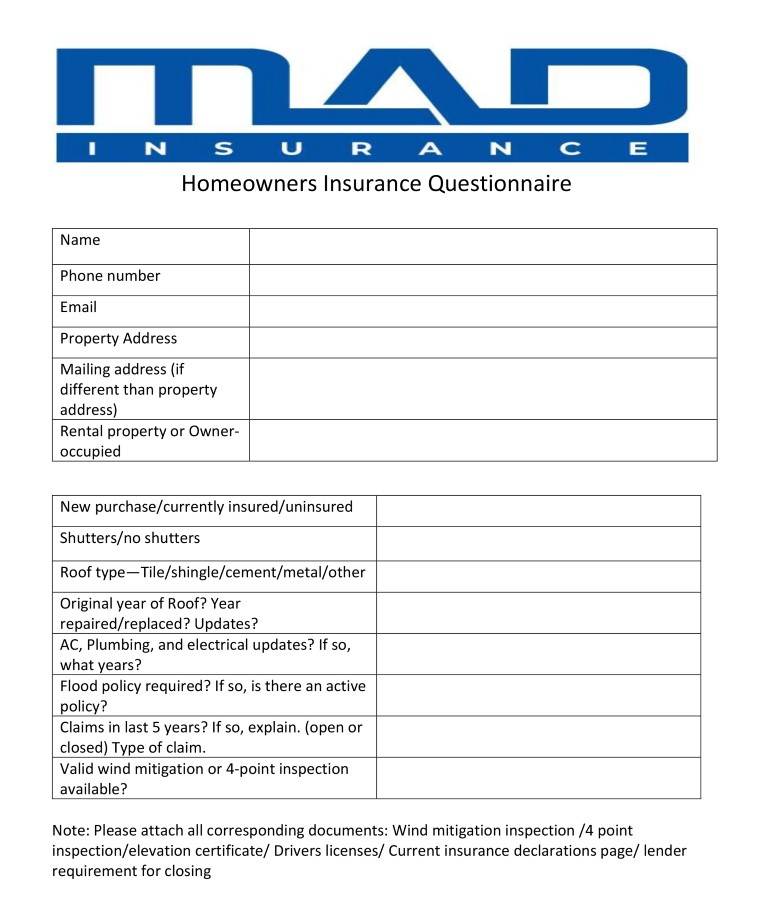
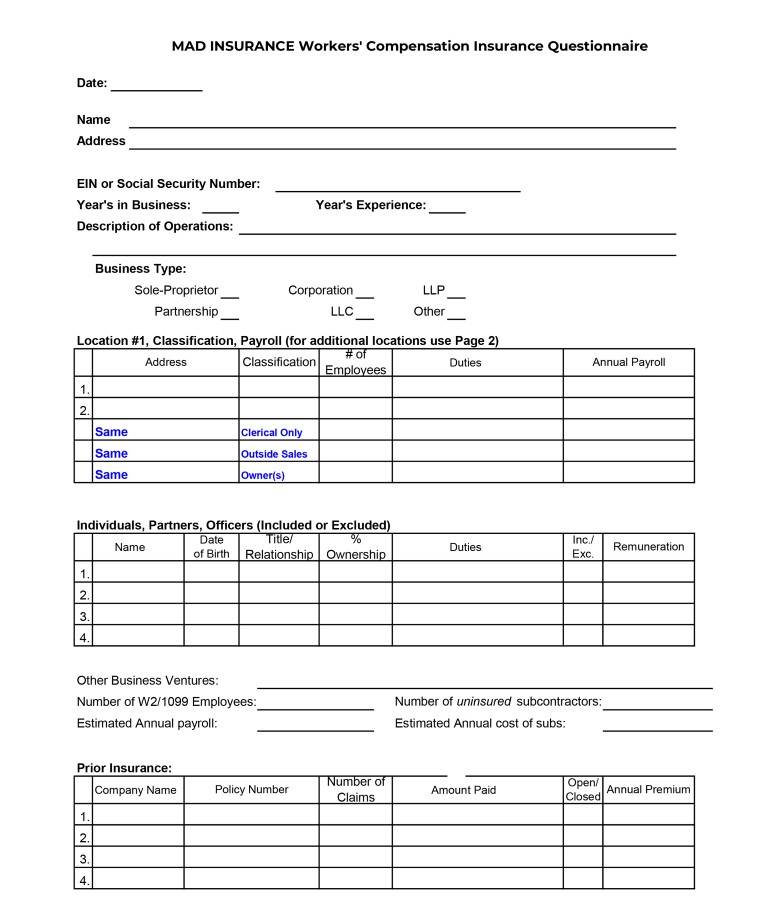
Share the buyer’s contact information, property address, estimated closing date, occupancy plan, and lender contact. The buyer can begin through our secure homeowner questionnaire.
Review the property
We evaluate the home’s basic characteristics, construction, roof, major systems, prior claims information, occupancy, and other details that may affect carrier eligibility.
Gather inspections and records
Depending on the property and carrier, we may request a wind-mitigation report, four-point inspection, roof documentation, photos, permits, or flood-related information.
Shop and compare options
Our licensed team reviews available carrier options and explains meaningful differences in coverage, deductibles, exclusions, and estimated premium—not just the lowest price.
Coordinate with the lender
We confirm the mortgagee clause, loan number, effective date, coverage requirements, and documents needed by the lender or title company for closing.
Bind and deliver closing documents
After the buyer selects an option and completes required signatures and payment arrangements, we issue the appropriate proof of insurance and supporting documents.
Common insurance issues that can slow a Florida closing
Not every issue prevents coverage, but these items often require more time, documentation, repairs, or a different market strategy.
Waiting until the final days
Late referrals leave little room for inspections, corrections, underwriting questions, signatures, or lender revisions.
Roof age or condition
Older roofs, active damage, missing permits, or unclear remaining useful life can affect eligibility and available options.
Missing or outdated inspections
A carrier may require updated reports or clear photos before it will finalize an offer or approve binding.
Older electrical, plumbing, HVAC
Certain system types, ages, or visible hazards may need additional review, documentation, or correction.
Flood-zone questions
Flood coverage is separate from a standard homeowners policy. The lender, property location, and transaction details may affect what is needed.
Occupancy or renovation plans
Vacant homes, short-term rentals, extensive renovations, trusts, LLC ownership, or seasonal occupancy may require a different policy form.
What to send—and what to tell the buyer.
You do not need to answer insurance questions for the client. Introduce us early, share the basic transaction details, and let our licensed team handle the coverage conversation.
Send MAD Insurance
- Buyer’s full name, phone number, and email
- Property address
- Expected closing date
- Lender and title contact information
- Known inspection reports and roof documents
- Whether the home will be primary, seasonal, rental, vacant, or renovated
- Any contractual insurance deadlines
Set the buyer up for success
Encourage the buyer to respond quickly, disclose property and occupancy details accurately, and review more than premium alone. Final eligibility and pricing depend on carrier underwriting and the completed application.
Answers your closing team can use.
These are general guidelines. Requirements vary by property, carrier, lender, and transaction.
When should a buyer begin shopping for homeowners insurance?
As soon as the purchase contract is accepted. Starting early creates time for inspections, underwriting review, comparisons, and any lender-requested revisions.
Does the realtor or loan officer need to choose coverage?
No. Referral partners should provide transaction details and deadlines, while the licensed insurance agent explains options and the buyer makes the coverage decision.
Will every home need a four-point or wind-mitigation inspection?
No. Inspection requirements depend on the home and the carrier. Wind-mitigation documentation may help identify eligible credits, while a carrier may request a four-point report to review major systems.
Is flood insurance included with homeowners insurance?
Generally, flood coverage is handled separately from a standard homeowners policy. We review the property and transaction details and coordinate any required flood documentation or quote.
Can insurance be completed the day before closing?
Sometimes, but it creates unnecessary risk. Inspections, underwriting questions, signatures, payment, or lender changes can take additional time. Earlier is safer.
What happens after the policy is bound?
MAD Insurance remains available for policy service, mortgagee updates, billing questions, coverage reviews, claims guidance, and future insurance needs.
Give your clients an insurance team that respects the deadline.
Send the property details once. We will guide the buyer, communicate with the closing team, and keep the insurance portion of the transaction moving.