
When comparing homeowners, condo, renters, and landlord insurance in Florida, start with the living arrangement, not the premium. A house occupied by its owner presents a different insurance situation from the same house leased to tenants. A condo adds another layer: the association’s insurance and the unit owner’s responsibilities.
Mad Insurance shops multiple carriers, but a useful comparison starts with identifying what needs protection. Who owns the property? Who lives there? Who is responsible for the building, unit improvements, belongings, or rental income? Those answers help put the coverage category before the price comparison.
Which Type of Florida Home Insurance Fits Your Situation?
Match coverage to ownership and occupancy first. These four situations provide a starting point, with closer review needed where they overlap.
You Own and Live in the Home
Homeowners insurance is generally the starting point for a house you own and occupy. Appearance alone does not determine the right policy type: a townhouse, for example, also requires attention to its ownership structure and any association responsibilities.
You Own a Condo Unit
Condo unit-owner insurance addresses your interests alongside the association’s master policy. Do not assume “walls-in” describes the full coverage boundary. The boundaries depend on applicable requirements, association documents, and insurance terms.
You Rent the Place You Live
Renters insurance generally covers your belongings, personal liability, and additional living expenses after a covered loss. It applies to tenants renting houses and condos as well as apartments; it does not replace the owner’s building insurance.
You Own a Property Occupied by Tenants
Rental-property coverage should reflect tenant occupancy and the owner’s rental-related risks. A rented condo is not a simple either-or choice: both the unit ownership arrangement and rental activity need to be addressed.
Homeowners, Condo, Renters, and Landlord Coverage Compared
The main differences are whose property is insured, whose liability is addressed, and whose expenses or rental income are covered after a loss. Policy forms, exclusions, limits, deductibles, and endorsements shape the protection. An endorsement changes the policy’s terms, sometimes adding coverage or restricting it.
Homeowners Insurance: The Home You Own and Occupy
- Intended use: A home owned and occupied by the insured, subject to eligibility.
- Insured property: The dwelling, covered other structures, and personal belongings.
- Liability: Personal liability protection for covered claims.
- Displacement: Additional living expenses when a covered loss makes the home unusable.
- Important limitations: Excluded causes of loss, limits for certain belongings, and restrictions connected to occupancy or use.
HO-3 is a common homeowners policy form, not a universal description of every policy. When reviewing homeowners insurance options, compare building and contents protection separately. They do not necessarily cover the same causes of damage or use the same payment terms.
Condo Insurance: Your Unit and the Association’s Coverage Boundary
- Intended use: Condo unit ownership, with occupancy considered separately.
- Insured property: Belongings and covered unit property or improvements within the owner’s insurance responsibilities.
- Liability: Personal liability protection under the selected policy.
- Displacement: Additional living expenses after a covered loss.
- Important limitations: Master-policy boundaries, rental-use terms, exclusions, and loss-assessment conditions.
HO-6 is a common unit-owner policy form. A coverage misunderstanding can start when the association’s insurance is treated as protection for everything in the unit. Association property, an owner’s belongings, and personal liability are separate interests that need separate consideration.
Renters Insurance: Your Belongings and Personal Liability
- Intended use: A tenant’s residence in a rented house, condo, or apartment.
- Insured property: The tenant’s covered personal belongings.
- Liability: Personal liability protection for covered claims.
- Displacement: Additional living expenses after a covered loss.
- Important limitations: No building ownership protection; exclusions, limits for certain belongings, and payment terms still apply.
HO-4 is a common renters policy form. The landlord’s building insurance generally does not cover the tenant’s furniture, clothing, or electronics. Both parties should consider their own property and liability interests, even when they share an address.
Landlord Insurance: Rental Property and Ownership-Related Exposures
- Intended use: Property rented to tenants under an eligible arrangement.
- Insured property: The rental dwelling and selected landlord-owned contents, depending on coverage.
- Liability: Rental ownership or premises-related protection, if included in the selected policy or package.
- Rental income: Loss of rental income after a covered loss, if included.
- Important limitations: Tenant belongings and ordinary unpaid rent generally are not covered; rental-use restrictions and damage exclusions also matter.
DP-3 is a dwelling-policy form, not a synonym for a complete landlord insurance package. Do not assume the form label by itself establishes liability protection or every coverage needed for the rental.
Rental-income protection and additional living expenses protect different financial interests. One addresses the owner’s covered income loss; the other addresses a resident’s covered extra living costs. Neither pays every expense that follows an incident.
Florida Coverage Questions the Policy Name Does Not Answer
Selecting the right category does not settle flood protection, wind coverage, condo responsibilities, or contractual requirements. Each requires its own review before a quote becomes a coverage decision.
Flood, Wind, and Hurricane Deductibles
Standard homeowners, condo, renters, and landlord policies generally exclude flood. Wind coverage is a separate question: it may be included, excluded, or arranged separately. A hurricane or wind-related deductible can also differ from the deductible for other losses.
Rain entering through storm damage and rising floodwater require different coverage analysis. Labeling both as “hurricane damage” does not show which policy responds. Review flood insurance coverage separately, including whether building protection, contents protection, or both are needed.
- Covered causes of loss: Identify flood and wind protection separately, including relevant water-damage restrictions.
- Applicable deductibles: Determine which deductible applies to each type of covered loss.
- Effective dates: Account for applicable flood waiting periods and possible restrictions on starting or changing coverage before a storm.
Waiting periods and exceptions differ by program and policy. Waiting until a storm is approaching can limit available options. A quote alone does not confirm that coverage is in effect.
Condo Master Policies and Loss Assessments
The association’s master policy does not automatically replace unit-owner coverage. Establish the boundary using applicable Florida requirements, association documents, and actual insurance terms rather than relying on a shorthand description.
Loss-assessment protection, where included, has limits. An assessment that qualifies under the policy is different from routine dues or a maintenance charge. The word “assessment” on a bill does not determine coverage.
For example, a condo owner could receive one assessment for routine maintenance and another connected to property damage. Those charges require different analysis. Even a damage-related assessment must meet the individual policy’s coverage conditions and limits.
Lender, Lease, and Association Requirements
Meeting one insurance requirement does not confirm that every exposure is addressed. Contractual requirements under a mortgage, lease, or association document can differ.
- Mortgage: Identify the lender’s property-insurance requirements and any applicable flood-insurance requirement.
- Lease: Read any tenant-insurance provisions and required liability limits.
- Association: Identify unit-owner insurance obligations and the association’s insured-property responsibilities.
Meeting one requirement does not resolve the others. A lender’s interest in the financed building, for example, is not the same as a resident’s need to protect belongings or pay extra living expenses after a covered loss.
What Changes When You Rent Out Your Home or Condo?
Changing a property from owner occupancy to rental use calls for an insurance review, even when the building stays the same. These examples show why the original policy description should not be carried forward without checking the new arrangement.
Moving Out and Starting a Long-Term Rental
A house becoming a long-term rental needs its occupancy, liability, and rental-income protection reviewed before the tenant moves in. Keeping the same address and mortgage does not mean the insurance needs are unchanged.
Consider an owner who moves elsewhere and signs a year-long lease with a tenant. The review should determine how the existing policy treats that use, what rental-related protection is needed, and when any endorsement or replacement policy takes effect. Leaving an outdated occupancy description in place can create coverage questions after a loss.
Renting a Condo Unit to a Tenant
A rented condo involves three sets of interests, not one policy automatically covering everyone.
- Association: Property insured under the master policy.
- Unit owner: Unit-related property responsibilities, rental risks, and selected liability and income protection.
- Tenant: Personal belongings, personal liability, and additional living expenses covered by the policy.
If a quote identifies the property as a condo but does not address tenant occupancy, the rental-use question remains unresolved. “Condo” describes the ownership arrangement; it does not tell the insurer how the unit is used.
Short-Term Rentals, Room Rentals, and Vacancy
Rental duration, shared occupancy, and vacant periods can affect policy eligibility and coverage. Describe the arrangement accurately rather than using “rental” as a catch-all term.
- Short-term rental: Frequent guest turnover is different from an annual tenant lease.
- Room rental: An owner living onsite while renting part of the home presents a different situation from renting the entire property.
- Vacancy: An empty property between occupants requires attention to the policy’s vacancy definitions, conditions, and restrictions.
Rental-platform protections should not be assumed to replace an appropriate insurance policy. Disclose the intended arrangement before it begins so the review addresses the actual use and any necessary endorsement or different policy.
Pause the price comparison if the property’s use no longer matches the quote. These signs call for a coverage review:
- You moved out, but the policy still describes an owner-occupied home.
- You started short-term rentals after arranging coverage for an annual lease.
- You rent out a condo, but the quote does not address tenant occupancy.
Ask Mad Insurance to review the changed use before comparing premiums. Establishing an appropriate policy or endorsement comes before choosing a price.
How to Compare Quotes After Identifying Your Coverage Type
Compare protection after ownership, occupancy, and responsibilities are clear. Otherwise, a lower premium can hide a meaningful difference in what is insured.
Confirm Property Use and Coverage Responsibilities First
Establish these five details before gathering competing quotes:
- The property’s ownership arrangement.
- Who occupies it.
- Whether it is rented and for how long.
- Which responsibilities belong to an association.
- Which lender, lease, or association requirements apply.
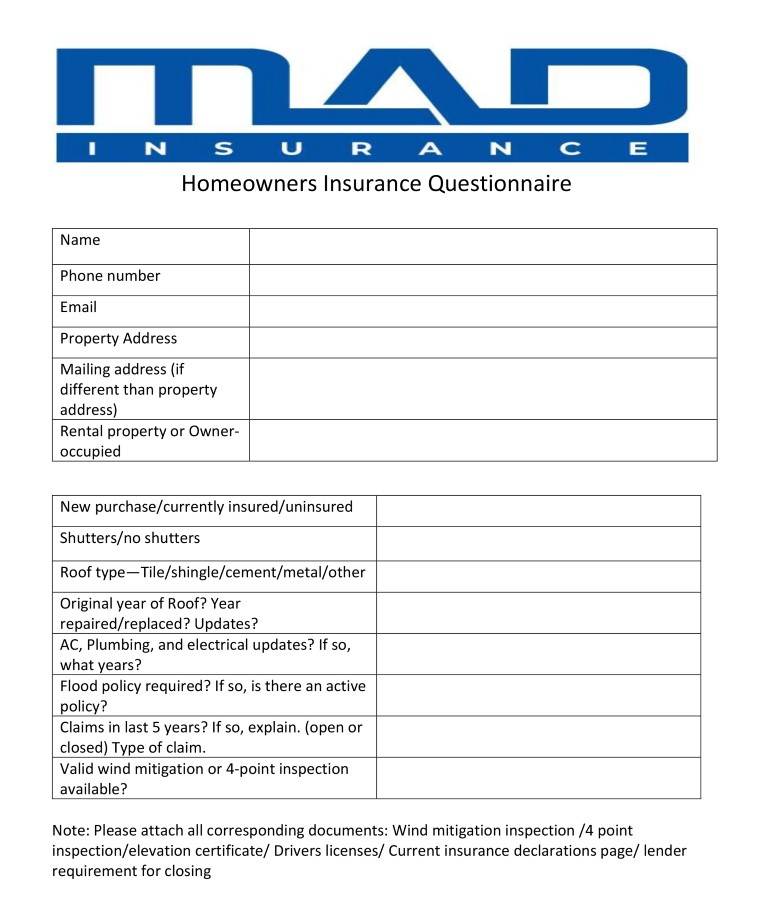
These are starting questions, not a complete underwriting application. For an owner-occupied home, use the homeowners insurance quote checklist to prepare the property and policy information needed next.
Compare Equivalent Protection, Not Just Premiums
A useful price comparison makes coverage differences visible. Review:
- Limits: Building or unit property, belongings, liability, and applicable additional living expense or rental-income protection.
- Valuation: Replacement cost versus actual cash value, which generally accounts for depreciation. Replacement-cost payment also remains subject to policy conditions.
- Covered causes of loss: Whether coverage lists the events insured or covers damage except for stated exclusions, along with any endorsements.
- Deductibles: Both ordinary and applicable hurricane or wind deductibles.
- Use restrictions: Occupancy, rental duration, and vacancy conditions.
Comparing only premiums misses the trade-off when one quote has a higher deductible or different payment terms. The cheaper policy is not automatically inadequate. The decision should reflect both the premium and the costs or risks the policy leaves with you.
Resolve Coverage Questions Before Binding
A multi-carrier approach works best when the property’s actual use is clear. For context on how independent agencies compare options, see how an independent insurance agency works.
Resolve three questions before accepting coverage:
- Does the quote reflect the actual occupants and rental arrangement?
- What coverage differences accompany the premium differences?
- When does protection take effect, and what conditions remain outstanding?
Available options depend on carrier eligibility and underwriting. Clarify any remaining questions about occupancy, coverage, and start dates before binding, which means putting coverage into effect.
Frequently Asked Questions
Does My Landlord’s Insurance Cover My Belongings?
Generally, no. A landlord’s policy protects the owner’s insured interests, not a tenant’s belongings. The building and your furniture are separate property interests. Renters insurance can protect your belongings against covered losses; the landlord’s building coverage does not replace that protection.
Do I Need Condo Insurance If My Association Has a Master Policy?
A master policy does not eliminate individual coverage needs. Your belongings, personal liability, and some unit improvements can fall outside the association’s protection. Mortgage or association documents may also require coverage. The distinction is what the association insures versus what remains your responsibility.
Can I Keep My Homeowners Insurance When I Rent Out My House?
Not necessarily. Rental use can require an endorsement or a different policy. A long-term tenant, occasional room rental, and short-term rental are different arrangements. Before renting, disclose who will occupy the property and the rental duration so the insurer can evaluate the intended use.
Does Landlord Insurance Cover Unpaid Rent?
Ordinary tenant nonpayment generally is not covered by rental-income protection. That coverage typically concerns rent lost after a covered loss, such as a fire making the rental uninhabitable. Missed payments while the property remains usable are a different risk and generally are not the same coverage trigger.
Is Flood Insurance Included in Florida Homeowners, Condo, Renters, or Landlord Policies?
Flood generally is excluded from standard versions of these policies and usually requires separate coverage. Owners and tenants have different needs: owners may need building and contents protection, while tenants generally need contents protection. Flood insurance on the building does not automatically insure a tenant’s belongings.
Key Takeaways
- Start with ownership and occupancy: Changing how a property is used calls for a coverage review.
- Separate responsibilities: Association, owner, and tenant policies address different interests.
- Review flood and wind distinctly: A home-policy label does not confirm protection against every storm-related loss.
- Compare coverage alongside price: Limits, payment terms, deductibles, exclusions, and rental-use restrictions affect the decision.
Conclusion: Confirm the Coverage Category Before Comparing Quotes
Choose Mad Insurance to compare available carrier options after clarifying who owns and occupies the property. The issue is not simply selecting among four names; it is matching coverage to an accurate description of the property’s use. Unaddressed rental activity, unclear condo responsibilities, and uneven quote terms can create gaps that surface after a loss.
For a Florida property—Pembroke Pines included—identify the occupants and any planned rental activity, then request an insurance quote. Addressing those details before a move, lease, or coverage start date gives Mad Insurance a clearer basis for comparing available options. Available coverage depends on underwriting and the selected policy’s terms.
Recent Comments