
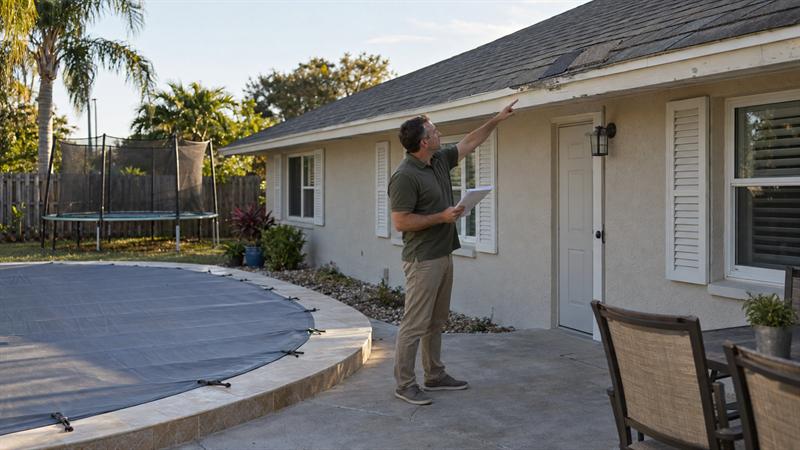
You are likely close to a quote conversation, but the address and zip code are only the starting point. At Mad Insurance, the homeowners quote is treated as a coverage planning step, so preparation should include the property facts, contents estimates, and risk details that shape limits and exclusions.
Missing information does not usually block a quote, but it can lead to an underinsured dwelling limit or a premium that is higher than necessary. Use the checklist below before you enter the quote conversation.
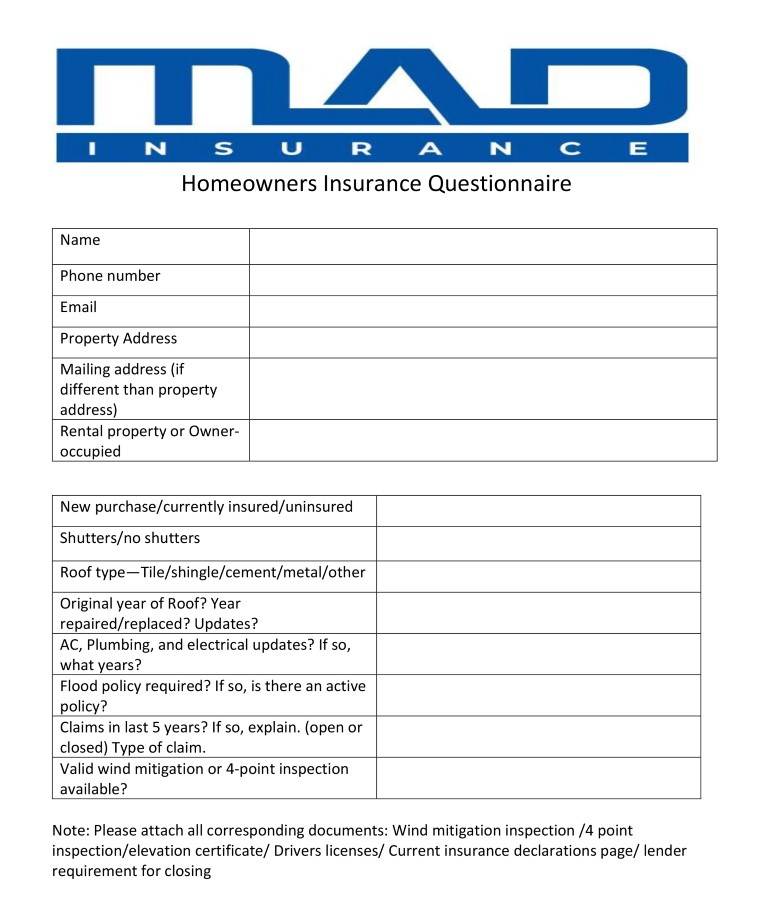
- Property address and zip code
- Property type and year built
- Roof age and roof material
- Square footage and number of stories
- Number of full-time occupants
- Prior insurance history
- Prior claim history
- Photos of the roof and exterior
- Rough personal property estimate
- Known property features such as pool, trampoline, hot tub, or repair needs
Why a Homeowners Insurance Quote Checklist Matters
A homeowners insurance quote checklist matters because property facts and coverage choices help shape the limits, deductibles, and exclusions you compare. A quote built on incomplete property data often reflects a weaker protection package.
How Property Details Influence Coverage and Premium
Property details describe the home, and coverage choices set the protection. Roof age, construction type, square footage, outbuildings, location, and known property conditions all affect how the risk is reviewed. The dwelling limit, personal property limit, liability limit, loss of use limit, and deductible selection help determine what the policy can pay in a covered loss.
A common issue in Florida homeowners quotes is basing the dwelling limit on appraised value instead of rebuild cost. If construction costs rise after the quote, the limit can fall below rebuild cost. That can create a shortfall when a loss requires a full rebuild.
When Preparation Matters Most
Preparation matters most when the home, the market, or the coverage decision is changing. These are the moments where an address-only quote is not enough.
- You are requesting a first homeowners insurance quote.
- You are purchasing a home and coverage must close with the transaction.
- Recent renovations changed the rebuild cost or personal property value.
- You are comparing carriers before renewal or after a rate change.
- You want to confirm flood, wind, roof, and liability exposure before binding coverage.
Basic Property Information to Gather
A homeowners insurance quote typically calls for the property address, construction details, roof age and material, square footage, number of occupants, prior insurance history, and a rough personal property value estimate.
- Property address and zip code: This identifies the exact location and supports flood zone lookup, construction, and risk review.
- Property type: Single-family, townhome, condo, duplex, and manufactured homes use different coverage structures and different property valuation methods.
- Year built and square footage: These details support the rebuild cost estimate and the construction review.
- Occupancy and household details: Full-time occupancy, seasonal rental use, and household size affect premium structure and liability exposure.
- Prior insurance history: Previous carrier, term of coverage, and any coverage gap are standard quote inputs. A gap can restart review questions later if it is not explained up front.
- Prior claim history: Number, type, and date of recent claims are part of the property review. If prior claim history is left out, it can lead to additional review questions when the carrier identifies it later.
Home Structure and Improvements to Document
Roof, Walls, Foundation, and Age of the Home
Roof, wall, foundation, and age information help the quote team understand how the home is built and how it may be reviewed under construction and risk criteria. These details carry more weight than the home’s overall age alone.
- Roof age and material: Asphalt shingle, metal, tile, flat membrane, and other roof materials age differently and affect how wind and impact risk are reviewed.
- Wall construction type: Wood frame, masonry, stucco over block, and metal construction each carry different replacement and wind exposure considerations.
- Foundation type: Slab, pier and beam, and basement foundations can affect construction cost and water-related review questions.
- Major structural work: Recent roof replacement, foundation repair, impact windows, hurricane shutters, or other structural upgrades should be noted because they change the property profile.
For Florida homes, construction quality, roof condition, and proximity to water often shape the coverage conversation. At Mad Insurance, these details are reviewed as part of the broader Florida homeowners insurance decision, not as isolated form fields.
Outbuildings, Garages, and Detached Structures
Outbuildings and garages are separate structures that often fall under other structures coverage. A detached garage, carport, shed, guest house, barn, pool house, or studio should be included when describing the property.
If these structures are omitted, the other structures limit can be set too low. That leaves a gap when the structure burns, suffers water damage, or is hit by a covered event. The quote should reflect the structures that actually exist on the property.
Improvements That May Affect Replacement Value
Improvements that raise rebuild cost matter because the dwelling limit should track the home as it exists, not the home before updates. Recent kitchen upgrades, added bathrooms, solar panels, impact windows, surge protection, smart water leak detection, and security systems should all be considered when reviewing the dwelling limit.
When the rebuild cost is higher than the dwelling limit, the homeowner can face out-of-pocket costs. Updating the quote when the home materially changes is the practical fix.
Personal Property and Valuable Items
Creating a Simple Home Inventory
A simple home inventory means estimating the replacement cost of the contents before asking for a personal property limit. The goal is not a museum-grade file. The goal is a workable total for furniture, clothing, electronics, appliances, kitchen items, tools, and other personal effects.
A practical method is to take a phone video through each room and note the major items and approximate values. This gives the quote conversation a realistic baseline. It also supports a clearer claim discussion later if the contents are damaged or stolen.
Documenting High-Value Items
High-value items need separate attention because standard policies can place sub-limits on categories such as jewelry, watches, fine art, collectibles, firearms, musical instruments, and high-value electronics. A sub-limit caps the payment for that category even when the overall personal property limit is higher.
- Jewelry and watches
- Fine art and collectibles
- High-value electronics
- Firearms
- Wedding rings and high-value accessories
- Musical instruments and specialty equipment
If these items are not identified, the policy can look complete on paper and then fall short of the item’s actual replacement value at claim time.
Risk Factors Commonly Reviewed in a Quote Conversation
Water, Flood, and Wind Considerations
Water and wind risk details matter because standard homeowners forms and flood policies treat water loss differently. Standard homeowners coverage generally addresses sudden and accidental interior water events, such as a burst pipe or appliance overflow. Flood coverage is usually written as a separate policy because standard homeowners forms generally exclude damage from flood water, including water entering from outside the home due to flooding or rising water.
Assuming flood water is included in a standard homeowners policy after a storm surge event can create a coverage gap. If water enters from outside the home and is treated as flood, the standard homeowners policy may not respond. At Mad Insurance, this flood boundary is a common review point because premium alone does not reveal the deductible structure or coverage boundaries.
Reviewing flood insurance is often part of a complete water risk review for a Florida property.
Windstorm deductible structure also needs attention. A separate windstorm deductible is often set as a percentage of the dwelling limit and can apply only to wind-related loss. The homeowner should know which deductible applies to which peril before comparing final premium.
Pools, Trampolines, and Other Property Features
Pools, trampolines, and other property features matter because they can increase liability exposure. These details are commonly asked in the quote process, and the answer should reflect the property as it is actually used.
- Swimming pool, above-ground or in-ground
- Hot tub or spa
- Trampoline
- Dog breed or ownership history that may prompt additional liability review
- Seasonal rental or guest use of part of the home
If a pool, trampoline, or rental arrangement is left out of the property description, a slip and fall or guest injury claim can create coverage questions if a covered loss occurs. Full disclosure keeps the liability limit aligned with the real exposure.
Documents, Photos, and Insurance History
Photos and Video That Support the Quote
Photos and video matter because they give the quote team a faster, clearer view of the property condition. A common gap is a property description that mentions the address but not the roof, water, or liability features. Photos are not a substitute for inspection when one is required, but they can reduce delays and make the property description easier to support.
- Photos of all four sides of the home
- Roof photos from ground level and, if safe, from an elevated angle
- Rear of the home and outbuildings
- Interior living areas
- Mechanical rooms, including HVAC equipment, water heater, and electrical panel
- Visible repairs, upgrades, or existing conditions
If these photos are not available, the process can slow when the agent needs inspection records or a property review.
Receipts, Warranties, and Prior Claim Information
Receipts, warranties, and prior claim information help support the property description. They also help the quote team distinguish recent upgrades, repaired conditions, and prior loss history.
- Receipts or invoices for major personal property
- Invoices for recent home improvements
- Warranty documents for recent roof, water heater, HVAC, or structural work
- Prior claim numbers or dates, if known
- Home inspection reports from a recent purchase
- Roof inspection or contractor repair records
If a known claim or repair condition is left out, this can create a review problem later. The cleaner the property description, the easier it is to compare coverage accurately.
How to Use the Checklist to Compare Coverage
Premium vs. Coverage Limits
Premium comparison is the wrong first test because two quotes can have similar cost but very different protection. A lower premium can come with a lower dwelling limit, lower personal property limit, lower liability limit, lower loss of use limit, higher deductible, or stricter exclusions.
The dwelling limit should reflect the cost to rebuild the home, not the market value or mortgage payoff. Confusing market value, replacement cost, and loan balance can create an underinsurance gap. If the dwelling limit is set too low, the policy can look reasonable on the first page and then show narrower protection at claim time.
- Dwelling limit
- Other structures limit
- Personal property limit
- Liability limit
- Loss of use limit
- Deductible amount
Deductibles, Exclusions, and Carrier Options
Deductible and exclusion review matters because the deductible and peril boundaries shape what you pay after a covered loss. A standard deductible applies to many covered perils, while a separate windstorm deductible can apply only to wind-related loss. The policy language determines which loss falls under which deductible.
Exclusions and sub-limits are just as important as premium. A policy that looks inexpensive can still leave a coverage gap when the homeowner needs coverage for water, wind, high-value items, or liability exposure. An independent review helps because it compares multiple carrier options on the same property facts instead of limiting the comparison to one policy form.
You should move from research to a side-by-side coverage review when your quote package has any of these signs:
- Dwelling limit is based on market value or mortgage payoff rather than rebuild cost.
- Flood exposure is not separated from standard water coverage.
- A separate windstorm deductible is not explained by peril type.
- High-value items sit below category sub-limits without a discussion.
If you recognize two or more of these, the next step is a targeted quote review before binding coverage.
Common Mistakes to Avoid Before Requesting a Quote
A few common oversights can create larger claim-time gaps than they save at quote time.
- Quoting on market value instead of rebuild cost: This can set the dwelling limit too low and lead to out-of-pocket costs when a rebuild is needed.
- Omitting outbuildings or recent improvements: This can leave the other structures limit too low and leave updated portions of the home underprotected.
- Assuming all water damage is covered: This is where flood and standard water confusion becomes costly. The damage source decides which policy responds.
- Focusing only on premium: A small premium difference can disappear when limits, deductibles, and exclusions are compared properly.
- Not disclosing known conditions: A known leak, patched roof section, or drainage issue should be included in the property description. Omitting it can create claim review complications later.
Key Takeaways
- A homeowners insurance quote checklist helps keep the quote from being based only on address and zip code.
- The dwelling limit should follow rebuild cost, not market value or mortgage payoff.
- Personal property limits should be tied to a realistic contents estimate, not a default percentage alone.
- Flood coverage and standard water coverage answer different damage questions.
- Windstorm deductibles, sub-limits, and exclusion language help determine what the policy actually pays after a covered loss.
- Known roof, water, pool, trampoline, and structural conditions belong in the property description before coverage is bound.
Conclusion: Bring the Right Details to the Quote Conversation
The real problem is not a missing document. It is a quote that reflects a basic address instead of the actual home, contents, water exposure, and liability features. If that happens, the policy can look reasonable on the first page and then produce a gap at claim time.
At Mad Insurance, the approach is to treat the quote checklist as a coverage review before selection. That means comparing rebuild cost, personal property value, flood coverage boundaries, wind deductible structure, sub-limits, and liability exposure across available carrier options. The goal is a policy that matches the property as it actually is, not a quote that simply clears the form.
Starting the quote now can help prevent the common mistake of binding coverage before the limits, deductible, and water boundaries are compared. You can start a homeowners insurance quote with Mad Insurance when the property details are ready.
Frequently Asked Questions
What documents do I need for a homeowners insurance quote?
The core items are the property address, construction details, roof age or material, square footage, number of occupants, prior insurance history, and prior claim history. Supporting documents that improve accuracy include photos of the roof and exterior, receipts for major items, a rough personal property estimate, home inspection reports, and recent repair invoices. A complete claims-ready file is not required before the quote, but the property description should be detailed enough to support a meaningful coverage comparison.
Does homeowners insurance cover flood damage?
Standard homeowners coverage generally does not pay for flood damage caused by water entering from outside the home. It often covers sudden and accidental interior water events, such as a burst pipe or appliance overflow. Flood loss from storm surge, rising water, or overflow of a body of water is generally addressed through a separate flood policy. The distinction that matters is the source of the water, because that source usually determines which policy responds.
How much personal property coverage do I need on a homeowners policy?
Use the total replacement value of the household contents as the baseline, not the home appraised value and not the loan amount. A practical method is to estimate each room separately for furniture, electronics, appliances, clothing, tools, kitchen items, and other personal effects. A percentage of the dwelling limit is only a starting point. It becomes the right limit only when it matches the actual value of the contents.
What is the difference between a standard deductible and a windstorm deductible?
A standard deductible is usually a fixed amount applied to many covered perils, such as fire, theft, or a falling object. A windstorm deductible is often set as a percentage of the dwelling limit and applies to wind-related loss. Because a percentage-based wind deductible is calculated from the dwelling limit, the out-of-pocket amount can be significant when a covered wind loss occurs. The deciding factor is the peril language attached to each deductible.
Do I need to disclose a known leak or roof issue before getting a quote?
Yes, a known leak, roof issue, drainage problem, or other existing condition should be included in the property description. A slow sink leak, visible water staining, patched shingle area, or known moisture concern changes how the property is reviewed. If the issue is not disclosed, it can create a claim review complication later because the property description is incomplete. The practical move is to describe the condition, note whether it has been repaired, and understand how the proposed policy treats it before binding coverage.
Can I quote a home I have not yet purchased?
Yes, you can begin a homeowners insurance quote for a home under contract or expected to close soon. The quote can be based on the property address, available construction details, seller disclosures, inspection reports, and planned occupancy date. The coverage start date is often tied to the closing or occupancy date, not the date the quote is requested. Quoting before purchase can help you compare options and confirm water, wind, roof, and liability coverage before the closing date arrives.
Recent Comments