
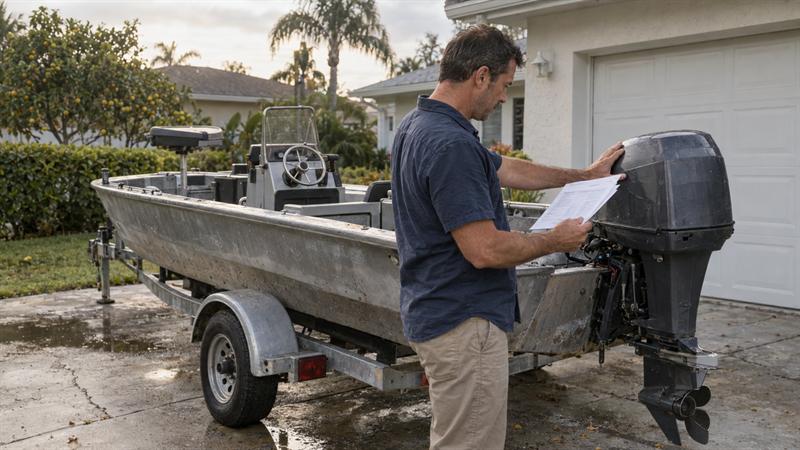
Quick Answer: A boat insurance application in Florida often slows down when an owner starts before gathering the vessel details, ownership records, financing information, and coverage choices a carrier is likely to request. A smoother approach is to have the boat’s identifying information, motor details, value, storage setup, and usage answers ready before comparing quotes, because that usually leads to clearer options and fewer delays.
At Mad Insurance, many Florida boat owners are ready to move forward but are still missing one or two key details. The result is usually more follow-up, slower quote comparisons, and less confidence in what the policy actually includes.
Why Florida Boat Owners Should Prepare Before Starting an Insurance Application
This search is really about readiness, not just shopping. Many people do not get stuck because they do not want coverage. They get stuck because they begin the application before they know which boat details, storage facts, or financing information will be needed.
A common issue is having the basic make and model, but not the hull identification number, motor details, or clear storage information. That is where delays often start. The quote may be less precise, follow-up questions may increase, and comparing one carrier against another gets harder because the information is incomplete.
This can become more complicated when the boat is financed, recently purchased, or used in more than one way. A boat that is sometimes trailered, sometimes stored at a marina, and sometimes taken beyond local waters may bring more underwriting questions than many buyers expect.
If you are still in the preparation stage, it helps to understand how an independent insurance agency works when comparing options across multiple carriers. Each carrier may focus on slightly different vessel and usage details, but the preparation issue stays the same.
- Missing vessel identifiers often slows down review
- Unclear financing details can create proof-of-coverage issues
- Incomplete storage information can make quote comparisons less reliable
- Unanswered coverage questions can lead to weaker decisions later
Documents to Gather Before Applying for Boat Insurance in Florida
The easiest way to prepare is to gather documents by category. Some confirm what the boat is. Others explain how it is used, where it is kept, and whether another party, such as a lender, needs to be included on the policy.
These details are not just administrative. They help the carrier evaluate the vessel more accurately and help you compare quotes based on the same facts instead of mixed assumptions.
Ownership and Registration Details
Start with basic ownership information. That usually includes registration details, title-related information if applicable, and purchase paperwork if the boat was recently bought.
This is especially common after a recent purchase. The owner is ready for insurance but still has incomplete transfer records or only partial purchase documents. That can slow the process because the carrier often needs a clearer picture of ownership before moving much further.
Hull Identification Number, Vessel Specs, and Motor Information
The hull identification number, or HIN, is one of the most important details to have ready. It confirms the vessel itself, not just the general brand or model. That matters because similar boats can have different underwriting considerations once age, build, engine setup, or modifications are factored in.
You should also have the make, model, year, length, engine type, and horsepower available. Many buyers know the boat well enough to use it, but not well enough to complete a clean application. That gap is where quote friction often begins.
Purchase Records, Current Value, and Financing Information
Purchase records can help establish the basic financial picture of the boat. They do not settle every value question, but they can give the carrier a starting point and reduce confusion around what is being insured.
If the boat is financed, lender details may matter early. This is where timing problems often show up. The owner assumes the quote is the main task, but the lender may need proof of coverage or specific policy information before the transaction can move forward.
Readers who have reviewed preparation steps for other personal insurance may notice the same pattern here as in this guide to what to have ready before requesting a Florida auto insurance quote. The coverage changes, but the preparation issue is very similar.
Storage, Marina, and Trailer Information
Where the boat is kept matters more than many people expect. Marina storage, dry storage, trailer storage, and home storage each describe a different setup, and that can affect the questions asked during the application process.
This often gets overlooked when the owner thinks storage is a minor detail. It is not. Storage is part of how the policy may be evaluated, and unclear answers here can lead to weaker quote comparisons or extra follow-up.
Vessel Details Insurers Commonly Ask About
Once the basic documents are ready, the next step is the vessel profile. Insurers are not just identifying the boat. They are also trying to understand how it is used, where it operates, and which details affect the overall risk.
Type of Boat and Intended Use
The type of boat is only the starting point. Intended use is what gives that detail meaning. Recreational cruising, fishing, occasional weekend use, and more regular or wider-range use can lead to different policy discussions.
If you are seeing more application questions than expected, it often means the carrier is trying to match the policy to actual use rather than a simple boat category. Problems can start when the application says one thing, but the real use pattern suggests another.
Where the Boat Will Operate
Operating area also matters. Local inland use, coastal use, and travel beyond a usual area can create different underwriting questions because they describe where the vessel is exposed and how it is being used over time.
This does not mean every boating plan creates a problem. It means the application usually works better when the normal operating pattern is described clearly from the start. Vague answers here often lead to more questions later.
Safety Features and Prior Damage History
Safety features and prior damage history should be documented as clearly as possible. This includes known repairs, prior losses, and equipment that helps define the condition or setup of the boat.
Incomplete history can create avoidable delays. If prior damage or repairs come up later instead of early, the quote review often becomes slower and more complicated.
If these details are still unclear, it usually makes sense to get them organized before requesting quotes.
- You do not have the HIN or full motor specifications
- You are not sure how the boat’s storage setup should be described
- You have financing involved but do not have lender details ready
- You are comparing carriers without using the same vessel information for each
When those signs show up, the quote process often turns into repeated follow-up instead of a clean comparison.
Coverage Questions to Discuss Before Choosing a Policy
This is where buyers often focus too narrowly on price. Premium matters, but it is not the only thing that shapes the policy. The more important question is whether the structure fits the boat, its use, and the kinds of losses or liability concerns the owner wants the policy to address.
A common pattern is that someone compares two quotes that look close in cost, but the real differences are in valuation, deductibles, and what is or is not included for trailers, accessories, or personal effects. That can lead to a poor decision when the cheapest option is chosen before those details are reviewed.
For a broader look at this same comparison mindset, the article on motorcycle insurance in Florida and the rider and vehicle information commonly needed shows a similar principle: the quality of the quote often depends on the quality of the information and the questions being asked.
How Much Liability Coverage to Discuss
Liability coverage should be discussed in relation to how the boat is actually used, not guessed based only on the lowest premium available. The more the vessel is used, stored around others, operated in busier conditions, or used with passengers, the more important that conversation becomes.
If this part is ignored, the policy may look inexpensive upfront but leave important questions unresolved. That is usually a poor tradeoff to discover after a claim.
Agreed Value vs. Actual Cash Value Considerations
This is one of the most useful coverage questions to clarify before choosing a policy. Agreed value and actual cash value do not work the same way, and that difference may matter more with newer, financed, or specialized boats.
What commonly gets misunderstood is that two quotes can appear similar until a loss is considered. This is where the structure of the policy becomes more important than the price line on the quote.
Trailer, Equipment, and Personal Effects Coverage
Many buyers assume trailer, equipment, or personal items connected to the boat are automatically covered. That assumption is where coverage gaps can begin. These items should be clarified directly rather than inferred from a general boat insurance quote.
If the boat setup includes accessories, electronics, or related equipment that matter to the owner, that needs to be part of the comparison process from the start. Otherwise, the quote may look complete while leaving out details the owner assumed were already addressed.
Deductibles and Storm-Related Concerns
Deductible choices affect both premium and what the owner is responsible for after a loss. That should be reviewed as a practical decision, not treated as a minor line item.
Florida boat owners should also review storm-related questions carefully. Weather exposure, storage setup, and policy structure should be understood together. If that review is skipped, the owner may be comparing price without understanding the terms that could matter later.
Special Considerations for Financed Boats and Florida Conditions
Financed boats usually create a tighter timeline and a more exact documentation standard. The issue is no longer just getting coverage. It becomes getting the right coverage information in place in time for the lender, the purchase, or both.
This often creates pressure when the buyer waits until the last minute. The financing side may expect specific details, while the insurance side still needs a complete picture of the vessel and its use.
Lender Expectations and Proof of Coverage
Financing changes the conversation because a lender is now part of the process. Accurate lender or lienholder information and proof-of-coverage timing may matter early, not later.
If this is handled late, it can delay the transaction rather than just the quote. That is why financed boat applications are often best treated as a preparation problem first and a shopping problem second.
Storage and Weather Exposure Questions
Storage setup and weather exposure should be addressed clearly because they shape which coverage questions need to be asked before a policy is chosen. A boat stored one way and used another way can create a mismatch if the application details are too general.
This is where problems can start when someone assumes broad location details are enough. In practice, the actual storage pattern and exposure details often matter more than the owner expects.
Matching Coverage to How Often and Where the Boat Is Used
A policy should reflect real use patterns, not idealized ones. Occasional local use, frequent use, and broader operating patterns do not create the same conversation.
If you are seeing lots of follow-up about use and operating area, it often means the carrier is trying to resolve a mismatch between the initial description and the actual boating pattern. That mismatch can lead to slower quoting and weaker comparisons.
A Practical Checklist Before Requesting a Quote
Before requesting quotes, get organized. This is the step that often makes the biggest difference in speed, clarity, and quote quality.
At Mad Insurance, this is where the process becomes more efficient. When the same accurate details are used across carriers, comparing options becomes easier and the quote conversation becomes more useful.
Information to Have on Hand
- Owner information and basic ownership records
- Registration or title details if applicable
- Hull identification number
- Boat make, model, year, and length
- Engine type and horsepower
- Purchase records and value information
- Lender details if the boat is financed
- Storage setup, including marina, dry storage, trailer, or home storage
- Expected use and operating area
- Prior insurance information if changing carriers
Questions to Ask When Comparing Carriers
- What exactly is included in the coverage, and what is optional?
- How is value handled under the policy?
- Are trailer, equipment, and personal effects addressed?
- What deductible options apply?
- What additional documents are likely needed before coverage can be bound?
Key Takeaways
- Boat insurance applications in Florida often slow down when the owner starts before gathering the right vessel and usage details.
- The most important information often includes ownership records, HIN, motor details, value information, storage setup, and financing details if applicable.
- Coverage comparison should go beyond premium and include value basis, liability, deductibles, and whether related equipment is addressed.
- Using the same complete information across carriers often leads to better quote comparisons and fewer delays.
Conclusion
The real problem is not that boat insurance is complicated. It is that many owners start the application process without the documents, vessel details, or coverage questions needed to make the quote meaningful. That often leads to delays, weaker comparisons, and policy decisions based on incomplete information.
If that is not handled well, the same issues can compound. Missing HIN details may slow review. Unclear storage and use descriptions can create follow-up. Financing timelines add pressure. Coverage differences can get overlooked until later, when making changes may be harder.
Mad Insurance is a practical next step when you want to compare carriers with a clearer, more complete picture of the boat and the coverage questions that actually matter. If you are ready to move forward, review the boat insurance coverage options and use the quote request page once your information is ready.
How Mad Insurance Approaches This Process
Mad Insurance approaches boat insurance the same way this article does: by getting the facts organized before turning the process into a price-only comparison. That often leads to clearer quotes and fewer surprises.
Because Mad Insurance shops multiple carriers, the preparation step matters. When the boat details, financing information, storage setup, and usage answers are already clear, it becomes easier to compare options based on substance rather than guesswork.
FAQ
What documents are usually needed for a boat insurance application in Florida?
Boat insurance applications commonly start with ownership details, registration or title information if applicable, the hull identification number, and the boat’s make, model, year, and length. Insurers also tend to ask for motor details, value-related records, storage information, and financing details when a lender is involved.
The important distinction is that these documents do different jobs. Some confirm what the vessel is, while others explain how it is stored, used, and financed. That is why missing even one category often slows the process more than owners expect.
Do you need the hull identification number to get a boat insurance quote?
The hull identification number is one of the most useful details to have because it helps confirm the exact vessel being quoted. It reduces confusion between similar boats and gives the carrier a clearer base for reviewing specifications.
The practical implication is that a quote may begin without it in some situations, but the process usually gets more precise once the HIN is available. This becomes especially important when the boat’s age, engine setup, or prior history creates more underwriting questions.
What coverage questions should Florida boat owners ask before choosing a policy?
They should ask how liability coverage is structured, whether the boat is covered on an agreed value or actual cash value basis, what deductible options apply, and whether trailer, equipment, or personal effects are included or need separate attention.
What changes the decision is not just premium. Two quotes can look close in cost while handling value and related property very differently. That is where buyers either make a strong comparison or choose a policy that only looks complete.
Is boat insurance different if the boat is financed?
Yes. A financed boat usually brings lender or lienholder information into the application and creates a more time-sensitive need for proof of coverage. The insurance process has to line up with the transaction, not just with the owner’s preferred timing.
That is what commonly gets misunderstood. Financing does not just add paperwork. It changes the order of priorities by making accuracy and timing just as important as the quote itself.
Can storage location affect a boat insurance application?
Yes. Storage location matters because it helps define the boat’s normal setup between uses. Marina storage, dry storage, trailer storage, and home storage do not describe the same situation, so they do not raise the same questions.
The point is not that one option is automatically better. The point is that unclear storage answers usually lead to a weaker application and more follow-up because the carrier still needs to understand how the boat is actually kept.
What should you have ready before comparing boat insurance quotes?
Have the boat’s identifying information, motor details, ownership records, value information, financing details if applicable, storage setup, intended use, and prior insurance information ready before comparing carriers.
This matters because quote comparison only works when the same facts are being used across the options. If one quote reflects partial information and another reflects full details, the price difference is harder to interpret and the comparison becomes less useful.


Recent Comments