Umbrella Insurance, explained clearly.
An added layer of liability protection when a serious accident or lawsuit exceeds the limits of your underlying policies.
What your policy can protect
Coverage is not one-size-fits-all. We compare options and explain the tradeoffs before you choose.
Extra liability limits
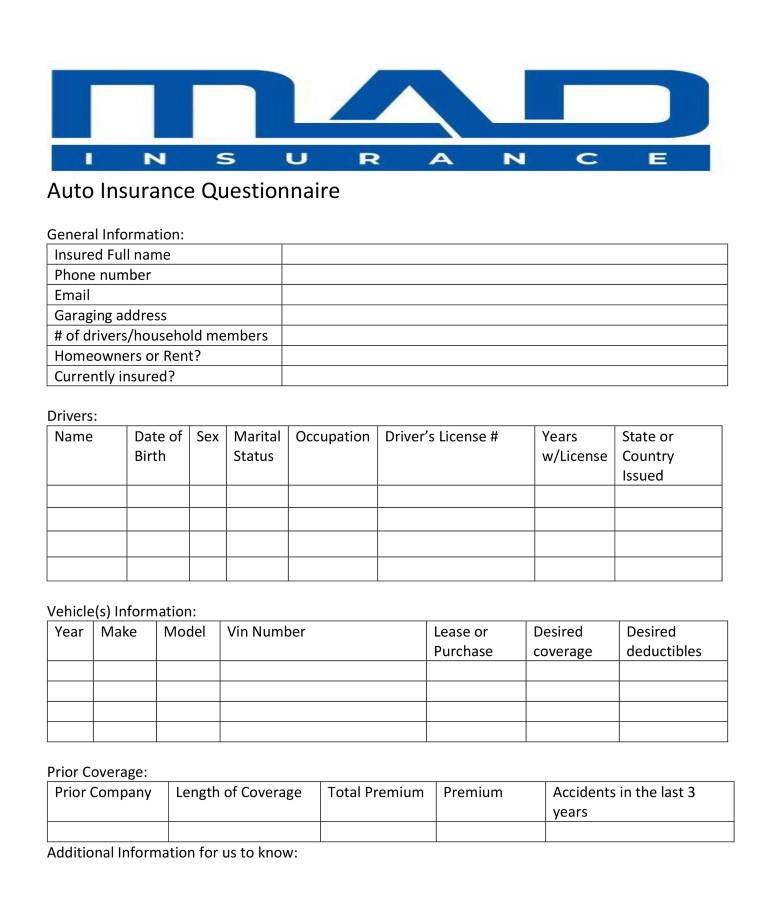
Umbrella coverage sits above qualifying home, auto, rental-property, boat, or other personal liability policies.
Serious auto accidents
A major injury claim can exceed ordinary auto limits quickly, especially with multiple vehicles or youthful drivers.
Home and lifestyle risks
Pools, dogs, entertaining, rental properties, household employees, and frequent guests can increase liability exposure.
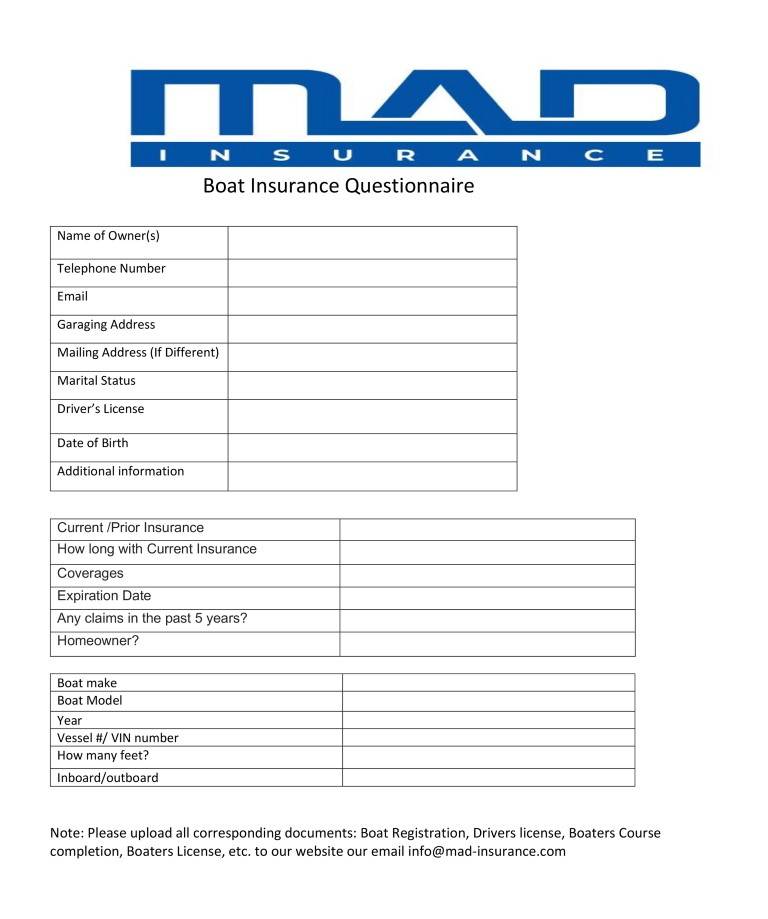
Boat and recreational exposures
Many umbrellas can extend over eligible watercraft or recreational policies when required underlying limits are maintained.
Legal defense
Policies commonly include defense provisions, but wording, covered claims, and costs vary by carrier.
Personal injury claims
Some policies may address libel, slander, or invasion-of-privacy claims, subject to exclusions and policy language.
Smart steps before you buy
A few details now can prevent surprises at claim time.
Common questions
How much umbrella insurance should I consider?
Consider your assets, future income, household risks, properties, vehicles, drivers, and comfort level. Many policies start at $1 million.
Does it cover everything?
No. Business activities, intentional acts, certain professional exposures, and other exclusions may apply.
Why do underlying limits matter?
The umbrella is designed to begin after an eligible underlying policy reaches its limit. If required limits are not maintained, you may face a coverage gap.
Coverage, eligibility, limits, deductibles, and availability vary by carrier and policy. This page is educational and does not change or guarantee coverage.
Let’s build the right protection.
A licensed MAD Insurance advisor can compare available options and explain them in plain language.