
Why Florida renters need their own insurance
A landlord’s policy usually protects the structure and the owner’s interest in the property. It usually does not cover the tenant’s side of the risk. That is where confusion starts, because many renters assume that if the building is insured, their own belongings are covered too.
In Florida, that misunderstanding can become more costly when water, storm, or displacement issues come into play. At Mad Insurance, this is an important review point for renters in apartments, condos, and rented houses who are trying to sort out what they own, what the lease requires, and where coverage gaps may exist.
What a landlord’s policy usually protects
Landlord coverage is generally built around the building, attached structures, and the property owner’s liability tied to ownership. That is different from protecting a tenant’s furniture, clothing, electronics, kitchen items, or other personal property inside the rental.
This distinction can be especially important in condo rentals, where tenants sometimes assume the condo owner’s policy or the association’s policy extends further than it does. If that assumption goes unchecked, the renter may be left with gaps around the belongings they use every day. For a broader breakdown of how these property roles differ, see Florida Home Insurance Explained: Homeowners, Condo, Renters, and Landlord Coverage.
What tenants are typically responsible for themselves
- Personal belongings such as clothes, furniture, electronics, cookware, and household goods
- Liability tied to injury or property damage involving the tenant’s occupancy
- Added living costs if a covered loss makes the rental temporarily unusable
Many renters focus on the lease requirement and overlook the actual exposure. They may think they are buying a simple requirement, when they are really deciding how well their own property and liability are protected.
What renters insurance usually covers
Renters insurance is usually organized around a few core coverage areas. The more useful question is whether the limits, exclusions, and valuation method match the renter’s actual situation.
That is where broad insurance content often falls short. It lists coverage categories, but it does not always explain how those categories affect real decisions, especially in Florida, where flood questions and storm assumptions can complicate the review.
Personal belongings
This part of a renters policy is generally focused on the things the tenant owns inside the rental. That includes obvious items like a couch, TV, and bedroom furniture, but a large share of the value often comes from smaller items spread throughout the home.
That comes up regularly in coverage reviews. Renters count big-ticket items and forget the rest. Shoes, linens, kitchenware, small electronics, tools, and everyday household items can add up quickly, and that often leads to lower limits than the renter intended.
Personal liability
Liability coverage serves a different purpose than property coverage. It is generally meant to address situations where the tenant is financially responsible for injury or damage involving someone else.
This often gets less attention because renters think first about replacing belongings. Many leases, though, place real emphasis on liability requirements, which is a sign that this part of the policy deserves a closer look.
Loss of use and temporary living costs
If a covered loss makes the rental unlivable, this part of the policy is generally meant to help with added living expenses during that time. That matters because losing access to the unit creates a second financial problem on top of damaged belongings.
If this part of the policy is not reviewed carefully, a renter can end up dealing with both disruption and replacement costs at once. This is one reason a low-priced policy may not offer the same practical value as a more carefully reviewed one.
Medical payments to others
This coverage is separate from broader liability protection and is usually narrower in scope. It still matters in a policy review because it addresses a different type of claim handling than major liability situations.
The key point is that not every policy feature is built to do the same job. Treating them as interchangeable makes quote comparisons harder and can lead to false assumptions about what the policy is actually designed to address.
What Florida renters should review before choosing coverage limits
Choosing limits should start with what the renter owns, how those belongings are valued under the policy, and whether certain item categories have lower standard limits. Price alone does not answer those questions.
At Mad Insurance, renters often begin by comparing premiums, then realize later that the more important differences were in valuation, exclusions, and item-specific limits. That is why the review should happen before a quote is chosen, not after.
Estimating the value of your belongings
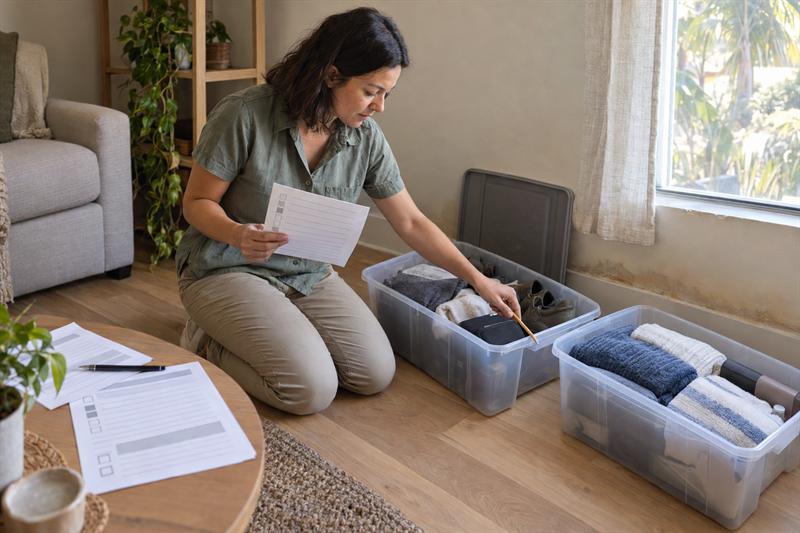
One of the most practical ways to estimate belongings is with a room-by-room inventory. That usually gives a more realistic number than guessing from memory or relying on the size of the rental.
- Bedroom furniture, clothing, shoes, and accessories
- Electronics, chargers, tablets, and gaming devices
- Kitchenware, appliances, utensils, and food storage items
- Linens, décor, tools, and cleaning equipment
If the estimate only reflects a few major items, the contents total is probably understated. That can lead to a limit that looks reasonable at first but falls short once the full inventory is considered.
Replacement cost vs. actual cash value
This distinction affects how belongings are valued after a covered loss. Replacement cost generally focuses on what it takes to replace an item with a similar new one, while actual cash value reflects depreciation.
This is one of the clearest examples of why premium alone is not enough. Two renters policies can look similar at a glance but lead to different claim outcomes when older furniture, electronics, or household items need to be replaced.
Special limits for jewelry, collectibles, and other high-value items
Some categories of property are treated differently under standard policy terms. That means a renter with jewelry, collectibles, or other higher-value belongings should not assume everything is protected the same way as general household contents.
This is where gaps can show up late in the process. A renter may assume the overall personal property limit applies evenly to everything, then learn that certain categories are subject to separate limits or need closer review. For broader personal coverage options, visit Personal Insurance | MAD Insurance.
The flood gap many renters miss
Flood is one of the biggest blind spots in Florida renters insurance. Standard renters coverage and flood-related losses are not the same thing, and treating them that way can leave the tenant with a major gap where they expected protection.
This is where confusion becomes expensive. Renters hear “storm,” assume all water-related damage is handled the same way, and may not separate flood from other causes of loss until they review the policy more closely.
Why standard renters insurance may not cover flood damage
Flood damage is commonly treated differently from the kinds of losses renters expect a standard policy to handle. That means a renter can have coverage for certain losses but still have a major gap when flood affects personal belongings.
The issue is not just that a gap may exist. It is that renters often do not see it because the review stayed too general.
How this affects apartment, condo, and house renters differently
Apartment renters often think first about interior contents and temporary relocation. Condo renters may assume the owner’s policy or association structure creates more protection for the tenant than it actually does. Single-family home renters may have more belongings spread across larger spaces, storage areas, or outdoor-adjacent areas, which can change the exposure.
Those differences matter because the same flood concern does not affect every rental setup in the same way. For condo-related ownership boundaries, see Florida Condo Insurance: What Your Association Policy May and May Not Cover.
Questions to ask if the property is near water or in a flood-prone area
- What protection applies to tenant-owned belongings if flood affects the rental?
- Is there separate flood coverage to review for contents?
- Are there waiting period issues that affect when protection begins?
If you are looking at a rental near water or in an area with known flood concerns, timing matters. This can become more complicated when renters wait until move-in or until a weather event is already top of mind. For more detail, review Flood Insurance for Condos and Rentals in Florida: Building, Contents, and Responsibility and Florida Flood Insurance Waiting Period: What to Consider Before Buying or Closing.
If the rental has meaningful water exposure, the review should get specific.
- The lease requires renters insurance, but the exclusions have not been reviewed closely
- The property is near water, in a low-lying area, or has known flood concerns
- You are comparing low-cost quotes that do not clearly explain contents valuation or water-related exclusions
- You rent a condo or house and are not sure where the owner’s policy stops
When these signs are present, a more detailed coverage review is usually the next step before choosing a policy.
Other common coverage gaps to review in Florida
Flood is not the only issue that creates confusion. Another common problem is using broad terms like “water damage” or “storm damage” without realizing the policy response depends on the specific cause of loss.
That can lead to poor comparisons, because one quote can look similar to another while handling exclusions very differently.
Water damage vs. flood damage
These terms sound interchangeable in everyday conversation, but they are not the same insurance question. This is one of the most common areas of confusion in Florida property coverage.
If a renter does not separate the two during the review, they can end up with false confidence about what is actually covered. That is why this distinction matters before the policy is selected, not after a loss occurs.
Wind-driven rain and storm-related questions
Storm concerns should not be treated as one broad category. The exact cause of the damage is what shapes how the policy responds, and this is where renters need to look past general assumptions.
If this part is handled too broadly, the renter may shop for “storm coverage” as a vague idea and miss the exclusions or conditions that actually shape the policy.
Home business property or equipment
Renters who work from home sometimes assume their standard contents limit applies the same way to everything inside the unit. That can become a problem when business-related equipment is part of the exposure and the review stays focused only on personal household property.
This does not mean every work-from-home renter needs the same solution. It does mean the property use should be reviewed directly instead of being folded into a general belongings estimate.
Pet-related liability considerations
Liability questions are not limited to guest slip-and-fall scenarios. Pets are another area where assumptions can create problems, especially when renters assume all liability situations are handled broadly the same way.
This is the kind of detail that can get missed when a policy is chosen quickly. Once missed, it can create a gap that only becomes clear when a claim issue comes up.
How coverage needs can vary by rental type
Renters insurance is one policy category, but the exposure is not identical in every rental situation. That is why the review should match the property type and the renter’s setup instead of relying on a one-size-fits-all assumption.
Apartment renters
Apartment renters often assume a smaller unit means lower exposure across the board. In practice, smaller spaces can still hold substantial contents value, and lease-driven liability requirements are often a major factor.
The mistake is treating a smaller footprint as a reason for only minimal review. That can lead to underestimating what actually needs to be protected.
Condo renters
Condo rentals create more confusion because there are multiple parties involved: the association, the owner, and the tenant. A renter may assume that layered structure means the tenant side is already covered.
That assumption is where gaps can form. The renter still needs to sort out what belongs to them, what belongs to the unit owner, and where the tenant remains responsible.
Single-family home renters
Renters in single-family homes often have more square footage, more storage, and more property spread across different areas. That can change the belongings review and may raise different water or storm concerns than a shared building setup.
If this is not accounted for, the review can stay too general. The result may be a mismatch between the rental type and the coverage choices being made.
A practical renters insurance checklist before requesting quotes
Before requesting quotes, gather the information that actually shapes the coverage discussion. This makes comparison easier and reduces the chances of choosing a policy based on incomplete assumptions.
Documents and details to gather
- Rental address and property type
- Estimated value of personal belongings
- Any high-value items that need closer review
- Lease insurance requirements, especially liability limits
- Flood concerns, water exposure, or timing issues tied to move-in
If these details are missing, quotes tend to be compared too generally. That can lead to price shopping before the real exposures are clearly defined.
Questions to compare across policies
- How are belongings valued under the policy?
- What liability limit is included?
- Are there lower limits for certain item categories?
- What water-related exclusions need to be reviewed?
- What options apply if flood exposure is part of the concern?
These are the questions that usually separate a useful quote from one that only looks simple at first. When the answers are clear, the renter can compare protection, not just price.
How to compare renters insurance options in Florida
The most practical way to compare renters insurance is to line up the policy details that change real outcomes. That includes belongings valuation, liability limits, special item handling, and flood-related gaps.
At Mad Insurance, the value in comparing options is that different carriers can approach these details differently. That matters even more when the renter has higher-value property, a condo rental setup, or questions about flood exposure.
Why coverage details matter more than price alone
Price comparisons get distorted when the policies being compared do not protect the same things in the same way. A lower premium may reflect tradeoffs in valuation, exclusions, or category limits.
If those differences are ignored, the policy choice can turn into a short-term savings decision that creates a longer-term coverage problem.
When it helps to compare multiple carriers
Comparing multiple carriers is especially useful when the renter’s situation is not straightforward. High-value belongings, unusual liability concerns, or property-specific flood questions often make side-by-side review more useful.
That is also where an independent agency model can help. If you want a clearer view of how that comparison process works, see How Does an Independent Insurance Agency Work?.
Key Takeaways
- Landlord insurance usually protects the building, not the tenant’s belongings, liability, or temporary living costs.
- Florida renters should review personal property limits, valuation method, liability coverage, and flood gaps before choosing a policy.
- Flood is one of the most commonly missed issues because renters often treat all storm-related damage as the same thing.
- Price alone does not show policy value. The more important differences are usually in exclusions, limits, and how losses are valued.
Conclusion
The real issue is not simply whether a renter has a policy. It is whether they choose one without understanding what the landlord covers, what the tenant still needs to protect, and where flood or water-related assumptions can create gaps.
If that review is handled poorly, the renter may find out too late that the building was protected but their belongings, liability exposure, or temporary living costs were not reviewed closely enough. That is why taking action early is practical.
Mad Insurance helps Florida renters compare coverage across carriers with a clearer view of belongings, liability, and flood-related gaps. If you are reviewing a lease, moving into a rental, or comparing quotes and want to avoid missing important details, use Get a Quote | MAD Insurance to start the review.
How Mad Insurance approaches renters coverage reviews
Mad Insurance approaches renters insurance by separating the building owner’s responsibility from the tenant’s actual exposure. That keeps the review focused on what the renter owns, what the lease requires, and where Florida flood concerns can complicate the decision.
This is especially useful when policy needs differ from one renter to the next. An apartment renter with basic contents, a condo renter unsure about owner and association boundaries, and a house renter with broader storage exposure should not all be pushed into the same quick comparison.
FAQ
Do renters need insurance in Florida if the landlord already insures the building?
Yes, because the landlord’s policy is generally built around the structure and the owner’s interest in that property. That does not automatically protect the tenant’s clothing, furniture, electronics, liability exposure, or added living costs after a covered loss.
The key distinction is ownership. The landlord insures the building, while the renter usually needs protection for what they own and for risks tied to their occupancy. This is why a renter can live in an insured building and still have no protection for their own belongings.
Does renters insurance in Florida cover hurricane or flood damage to personal belongings?
Not as one single category, and that is where confusion often starts. Renters often use “storm damage” as a catch-all phrase, but flood and other water-related losses are not always treated the same way under insurance.
That distinction changes the decision. A renter can feel protected because the property is in Florida and storms are top of mind, yet still miss a flood-related gap that affects personal belongings. The issue is not the weather label. The issue is the exact cause of loss and how the policy addresses it.
How much personal property coverage should a renter choose for an apartment or rental home?
A good starting point is the total replacement value of what is inside the rental, not the size of the space. A small apartment can still hold substantial value once clothing, electronics, furniture, kitchen items, linens, and everyday household goods are counted together.
What often gets missed is that renters picture large items first and forget the rest. A room-by-room inventory usually changes the number quickly. That is why square footage alone is a weak shortcut for choosing a contents limit.
What is the difference between replacement cost and actual cash value on a renters policy?
Replacement cost is generally focused on what it takes to replace an item with a similar new one. Actual cash value reflects depreciation, which means the claim value is reduced to account for age and wear.
This matters because two policies that seem close in price can lead to different claim outcomes. Older furniture, electronics, and household items are where this difference becomes easiest to see. The practical takeaway is that valuation method is a major coverage choice, not a minor technical detail.
Can a landlord require renters insurance and a certain amount of liability coverage?
Yes, that is often part of lease requirements. When that happens, liability is usually the focus because the property owner wants the tenant to carry responsibility for certain risks tied to occupancy.
What renters sometimes miss is that meeting a lease requirement does not automatically mean the policy fits their overall needs. The lease may set a minimum, but the renter still has to decide whether the personal property limits, valuation method, and water-related protection make sense for their situation.
What should Florida renters compare besides price when reviewing insurance quotes?
The main comparison points are how belongings are valued, what liability limits are included, whether certain item categories have lower limits, and how water-related exclusions are handled. Those details shape the practical value of the policy.
A lower premium often means a tradeoff is hidden somewhere in the form. That tradeoff usually shows up in claim value, category limits, or exclusions. What matters most is not which quote is cheapest, but which one matches the renter’s actual exposure without leaving obvious gaps.


Recent Comments