
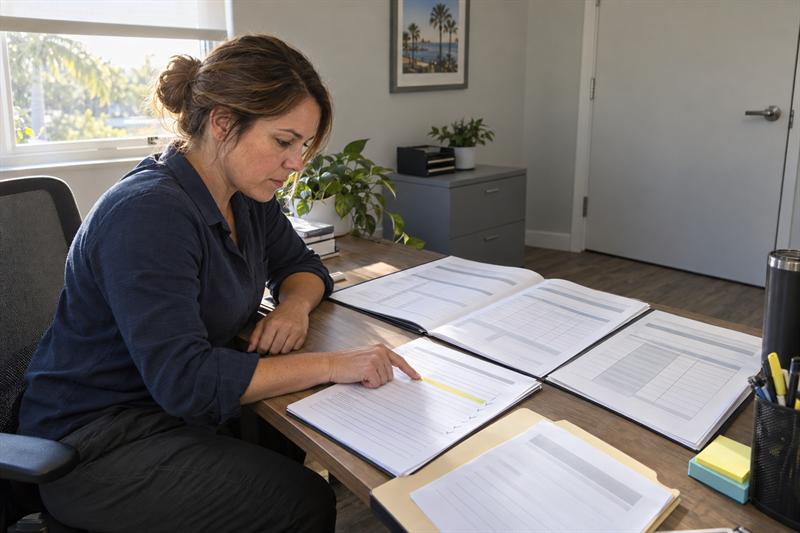
Professional Liability vs General Liability at a Glance
Professional liability vs general liability insurance comes down to the type of harm your business could cause. If the claim involves an accident that affects another person or their property, that usually points toward general liability. If the claim involves the quality of your service, your advice, your recommendations, or your work product, that usually points toward professional liability.
These policies are not interchangeable. One is generally built around operational accidents. The other is generally built around professional errors, omissions, and service-related financial harm.
The shortest way to understand the difference
General liability is usually about what happens around your business. Professional liability is usually about what happens because of your work.
Why service businesses often confuse these policies
Because both policies include the word liability, many business owners assume one policy covers everything. General liability is often the first policy purchased because it is familiar and commonly tied to leases, vendors, or routine business operations.
The gap often becomes obvious only when a contract is under review or a client asks for proof of insurance. If that sounds familiar, this article on what certificate holders usually request on a COI helps explain why those requests can expose missing coverage.
What General Liability Insurance Usually Covers
General liability usually addresses third-party bodily injury, third-party property damage, and certain personal or advertising injury claims. It is tied to the physical risks that come with day-to-day business operations.
That matters because many service businesses still have operational exposure. Even if the business mainly sells expertise, it may still host visitors, go to client locations, display signage, or handle routine interactions that create accident-related risk.
Bodily injury and property damage claims
General liability is often discussed in connection with situations like these:
- A client or visitor is injured at your office
- An employee accidentally damages a client’s property during a visit
- Your business activity leads to a third-party property damage claim
The key distinction is that these are physical injury or property damage issues. They are not claims that your professional service itself caused financial harm. That is why general liability and professional liability should not be treated as substitutes.
Common examples for offices, client sites, and daily operations
A visitor slipping in your office is a general liability type of issue. Accidentally damaging a client’s flooring, furniture, or equipment during a site visit points in the same direction. Some advertising-related allegations also fall into the general liability conversation.
If you want a broader comparison of what general liability handles compared with another core business policy, see general liability vs commercial property insurance. That article helps separate business property concerns from third-party liability concerns.
What Professional Liability Insurance Usually Covers
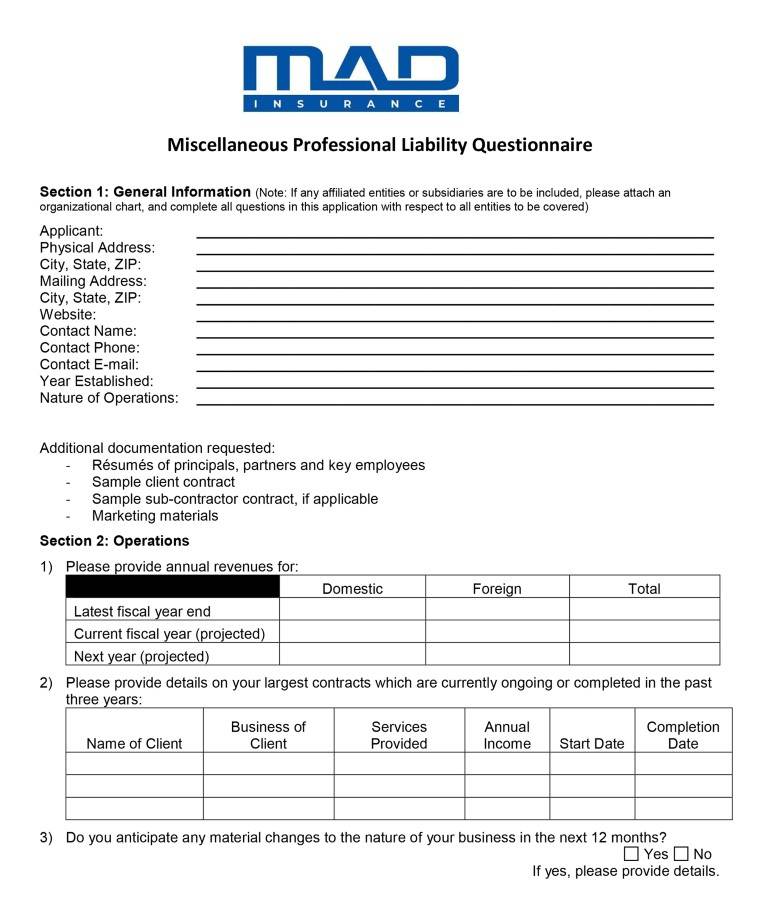
Professional liability usually addresses claims that your service, advice, recommendations, judgment, or deliverables caused a client financial loss. It is often also referred to as errors and omissions insurance, or E&O.
This is where many service businesses find the gap. If your business is hired for expertise rather than just physical work, clients are relying on more than your presence or operations. They are relying on your decisions, output, and professional performance.
Errors, omissions, and professional negligence allegations
Professional liability is often discussed around issues like these:
- A missed deadline affects a client’s project or revenue
- An incorrect recommendation leads to financial loss
- A deliverable contains a professional error
- A client alleges the agreed service was not performed correctly
This point gets missed because no one was physically injured and no property was damaged, so the owner assumes there is no major liability issue. For service businesses, though, financial-loss allegations tied to professional work are often a central concern.
Claims involving advice, recommendations, or deliverables
Consultants, designers, accountants, agencies, IT providers, and other service firms create exposure through intangible work. A recommendation, report, plan, design, or missed detail can become the basis of a claim even when nothing physical happened.
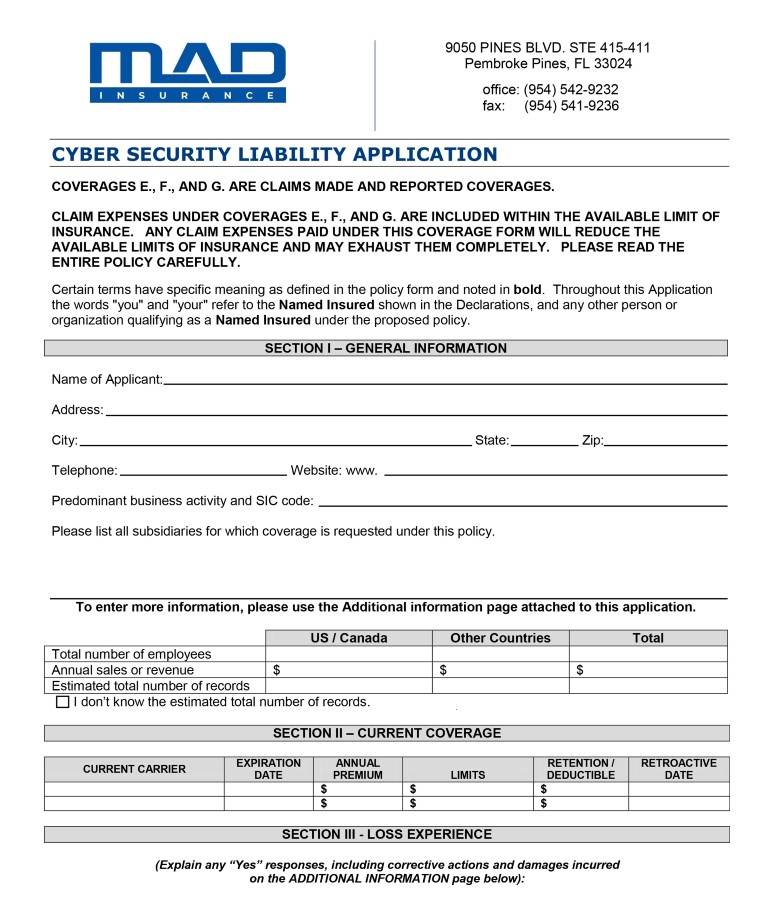
This is also where digital exposure can overlap. If your services involve systems, data, or client information, professional liability and cyber concerns can sit close together. For that reason, businesses reviewing these exposures may also benefit from this cyber liability insurance application checklist, especially when the work includes technology, platforms, or sensitive records.
Side-by-Side: Professional Liability vs General Liability
The clearest way to compare these policies is to look at the type of claim involved.
- General liability: Usually tied to bodily injury, property damage, or certain advertising-related claims involving third parties
- Professional liability: Usually tied to errors, omissions, advice, judgment, or service failures that lead to client financial harm
- General liability trigger: A business-related accident or incident
- Professional liability trigger: A dispute over the service, work product, recommendation, or professional performance
- General liability example: A client trips in your office
- Professional liability example: A client says your recommendation caused a costly mistake
One policy does not replace the other because the claim types are different. Many service businesses assume basic liability means broad protection, but that is not always the case.
Which policy may respond in common scenarios
If a client trips in your office, that usually points toward general liability. If you accidentally damage a client’s equipment during a visit, that also usually points toward general liability.
If a recommendation leads to a client financial loss, or if a project deliverable contains a professional error, that usually points toward professional liability. If you are seeing both types of exposure in your business, one policy alone may not be enough.
Do You Need One Policy or Both?
Most service businesses should not start with the question, “Which policy is better?” A more useful question is, “What kind of loss could the business cause?”
If your operations create physical risk and your work creates professional risk, both exposures need attention. That is where the decision becomes practical instead of theoretical.
Businesses that may need only one
Some businesses are much more exposed on one side than the other. A business with very little professional advisory work may focus mainly on operational liability. Another business with limited public interaction but heavy reliance on professional judgment may focus more on professional liability.
Still, this is where overconfidence causes problems. Policy names do not tell the whole story. Operations, contracts, and the way clients rely on your work usually matter more.
Businesses that often need both
Many service firms need both because they combine client interaction with professional output. Consultants, marketing firms, designers, technology providers, and accounting-related service businesses often fit this pattern.
A common setup is simple: the business meets with clients, works on-site, or has everyday operational exposure, while also delivering recommendations, plans, files, designs, or decisions that clients depend on. That combination usually creates two separate liability concerns, not one.
How client contracts can change the answer
Contracts often make the difference clear quickly. A client may require general liability for operational exposure and professional liability for service-related exposure, each with separate limits or wording expectations.
This usually gets harder when the requirement is discovered late. A delayed review can hold up onboarding, vendor approval, or project start dates. If a business is already dealing with documentation requests, the certificate of insurance explained article is useful background because it shows why clients focus on specific coverage types.
If any of these signs sound familiar, it may be time to review your coverage:
- You already have general liability, but a client specifically asked for E&O or professional liability
- Your business gives advice, creates deliverables, or makes recommendations clients rely on
- You sign contracts that list different liability requirements
- You are unsure whether your current policy addresses financial-loss allegations tied to your work
When those signs are present, the issue is no longer theoretical. It usually means your coverage structure should be reviewed before the gap creates a delay or a dispute.
Common Coverage Mistakes Service Businesses Make
The biggest mistakes usually happen when a business buys coverage based on familiarity instead of exposure. This can create blind spots that stay hidden until a contract, claim concern, or COI request brings them to the surface.
Assuming general liability covers professional advice
This is one of the most common misunderstandings. The owner sees liability on the declarations page and assumes advice, judgment, planning, or recommendations are included automatically.
That assumption usually falls apart when a client claims the service itself caused financial harm. This is where many businesses realize too late that professional exposure was never the same as operational exposure.
Buying based on price instead of exposure
Lower-cost coverage is not the same as appropriate coverage. If your business sells expertise, design, analysis, recommendations, or project-based deliverables, buying only the most familiar or lowest-cost option can leave an important exposure untouched.
This creates a false sense of security. The business thinks it solved the liability question, but only one part of the risk was addressed.
Waiting until a client asks for a COI
This is where delays begin. A business gets a contract, the client asks for a certificate, and only then does the owner find out that the required policy is missing or incomplete.
At that point, the problem is no longer just educational. It affects timing, credibility, and the ability to move forward. If your business is reviewing multiple areas of business coverage at once, small business insurance in Florida by business function can help organize the bigger picture.
How to Choose the Right Liability Coverage for Your Business
Start with what your business actually does, not what the policy name sounds like. The goal is to identify how a client, customer, or third party could be affected by your operations and by your work.
For Florida businesses comparing quotes across carriers, the coverage question usually becomes clearer once physical accident exposure is separated from professional service exposure.
Questions to ask before buying
- Do clients rely on your advice, judgment, or recommendations?
- Could a mistake in your work cause a client financial loss?
- Do clients visit your location, or do you visit theirs?
- Do contracts require general liability, professional liability, or both?
- Does your work involve systems, data, or digital deliverables?
If the answer is yes to both the operational questions and the professional-service questions, that usually means the business should be reviewing both types of liability coverage.
How an agency can help compare options
When a business has overlapping exposures, comparing one policy from one carrier usually does not resolve the issue well. One practical advantage of working with an independent agency is the ability to compare how different carriers approach the same business profile.
If you want a clearer picture of how that process works, this explanation of how an independent insurance agency works breaks down the value of comparing options instead of relying on a single path.
Key Takeaways
- General liability and professional liability are built for different claim types.
- General liability usually addresses bodily injury, property damage, and some advertising-related claims.
- Professional liability usually addresses service-related errors, omissions, advice, and financial-loss allegations.
- Many service businesses need both because they have both operational and professional exposure.
- Contracts and COI requests are often what expose the gap.
Conclusion
The real problem is not that these policies sound similar. The real problem is that service businesses often assume one liability policy solves two separate exposures. That misunderstanding tends to surface at the worst time, when a client requirement, onboarding delay, or claim concern forces the issue.
If this is not addressed correctly, the business can end up with the wrong coverage structure, project delays, or a false sense of protection when professional work is challenged. Mad Insurance helps Florida businesses sort through these differences by comparing coverage across carriers and matching the policy structure to how the business actually operates. If your business is trying to decide whether general liability is enough or whether professional liability also belongs in the mix, the next practical step is to review your current coverage and request options through Mad Insurance.
Company Approach
At Mad Insurance, the approach is to look at how the business creates exposure before jumping to policy labels. That matters because two companies in the same industry can still need different coverage structures based on contracts, client interaction, deliverables, and how much clients rely on their judgment.
This is why the review usually starts with the business function itself. If the risk is happening around the business, that points one way. If the risk is happening because of the work, the advice, or the deliverable, that points another. That distinction helps service businesses avoid buying the familiar policy and missing the one that better addresses the problem.
FAQ
Does general liability insurance cover professional mistakes?
Usually, no. General liability is typically associated with third-party bodily injury, property damage, and some advertising-related claims, while professional mistakes are usually associated with professional liability or errors and omissions coverage.
The important distinction is the type of harm being alleged. If someone says your business caused physical damage or injury, that points one way. If the claim is that your advice, judgment, design, or missed deliverable caused financial harm, that points another. This is why service businesses that rely on expertise usually need to look beyond general liability alone.
What is the difference between professional liability and E&O insurance?
In many business settings, professional liability and E&O insurance are two ways of describing the same general type of coverage. Both are usually tied to claims of errors, omissions, or professional negligence in the services provided.
The more important distinction is not between those two names. It is between professional-service exposure and general liability exposure. For example, a consultant accused of giving harmful advice is dealing with a professional liability issue even if one carrier calls it E&O and another calls it professional liability.
Why would a client ask for professional liability if a business already has general liability?
Because the client may be concerned about the quality or outcome of the professional work, not just accidents around the business. General liability and professional liability address different concerns.
This commonly shows up in vendor agreements, project contracts, and onboarding requirements. The request usually means the client wants coverage tied to service performance, recommendations, or deliverables. It is not redundant. It reflects a different exposure.
Do consultants and service providers need both professional liability and general liability?
Many do, because they create two kinds of exposure at the same time. They have operational risk from running the business and professional risk from the advice, judgment, or work product clients rely on.
A firm that meets clients in person, works on-site, or has office traffic can face accident-related claims. That same firm can also face allegations tied to missed deadlines, incorrect recommendations, or flawed deliverables. When both patterns are present, one policy usually leaves part of the exposure unaddressed.
What types of claims are usually covered by general liability insurance?
General liability is usually associated with third-party bodily injury, third-party property damage, and some personal or advertising injury exposures. A common example is a visitor who is injured at your office. Another is accidental damage to a client’s property during a business visit.
What matters most is that these are operational or accident-based claims. They are not the same as allegations that the service itself caused financial harm, which is why professional liability belongs in a separate conversation.
When should a business review its liability coverage requirements?
A business should pay attention when something changes that affects exposure or documentation requirements. Common triggers include signing a new contract, responding to a COI request, expanding services, starting work at client locations, or taking on projects where professional recommendations carry more weight.
Many businesses review coverage too late, after a client has already asked for something specific. At that point, the issue becomes urgent. The factor that matters most is not the calendar. It is whether the business has taken on new operational or professional risk that changes what the coverage needs to do.
Recent Comments